
In the fall, the company inbox fills up with open enrollment notices, but many people just click through the same items they checked last year.
However, there's actually a decent amount of money hidden in those documents that many people are surprisingly unaware of.
I believe that those who are somewhat financially savvy should prioritize taking advantage of these hidden benefits.
A prime example is the EAP, or Employee Assistance Program.
This is a free counseling service that the company pays for each month, yet only about 5 percent of employees actually use it.
Research shows that traditional EAP program usage rates typically range from 3 to 8 percent, with a median around 5 percent.
This service includes support for issues like divorce, parenting stress, and financial counseling, yet many people don't even know it exists and let it go to waste.
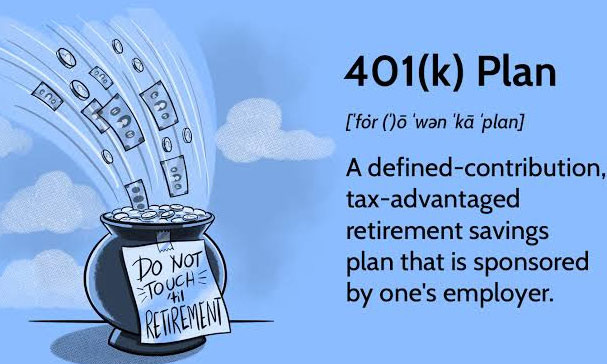
401(k) matching is another crucial benefit.
The company adds a certain amount for every dollar I contribute, but research indicates that one in four employees doesn't fully utilize this matching limit.
When you think about how much a few dozen dollars a month can affect retirement savings years down the line, it's essentially like refusing cash that the company is offering.
The same goes for HSAs.
This account allows you to pay for medical expenses, glasses, and dental care with pre-tax dollars, yet about half of people skip it because they find the reimbursement process tedious.
A survey in 2025 found that the amount being missed averages $4,500 per year.
That's like putting cash in a drawer and forgetting about it.
Tuition assistance programs also rank high among unused benefits.
This program covers the costs of obtaining degrees or certifications, but only about 2 to 5 percent of employees actually take advantage of it, according to research.
The biggest reason is that many people don't even know such a program exists at their company.
When you think about how much it costs to earn an IT certification, there's no reason not to use it if the company is willing to pay.
If you have pets like I do, it's worth looking into group discounts for pet insurance.
Some companies partner with insurers to offer pet insurance at a lower rate than if you signed up individually, but this is often just a line in an email that gets overlooked.
Legal consultation plans or identity theft protection services are similar; many people don't even know they exist.
Getting legal advice separately can be quite costly, but using a legal plan included in company benefits can significantly reduce that burden.
Commuter benefits that deduct costs from pre-tax income or backup childcare services for when you suddenly need a place for your kids are often overlooked as well.
These items typically take less than ten minutes to apply for, but if you don't take advantage of them, you're essentially letting more tax money slip away from your paycheck.
Ultimately, these benefits are like assets that the company has already paid for.
If you don't use them, it's just money that disappears, so why would you want to spend extra from your own pocket?
I've made it a habit to thoroughly read the company benefits page at the beginning of each year, and just checking off these items can significantly reduce expenses.
I believe that living frugally and avoiding debt starts with taking care of these small things.
Even if it seems complicated, just asking the HR team can quickly clarify things, so I encourage you to take this opportunity to carefully review your company's benefits list.
 popdreamcreator1996
 MagicPeak78






 Encyclopedia of New York and Surrounding Areas |

 Victory 1988 |

 fantastic |

 velion |

 Yo Lock Me Up |

 You Only Live Once |

 Splendid Mission |



 Sunshine Blog |
 Colorado Lee |
 kiwiii |
 foxtrot83 |
 stiff |
 namico |
 Caribbean |
 dynamico |
 Elastico |
 United States Army |
 Moving Waterfall |
 travelo |
 BOOM BOOM BOOM |
 blues town |
 glenview 89 |
 Mr Oh |
 skiny joe |
 envora21 |
 silverfox |
 nameone |
 bayaa |