

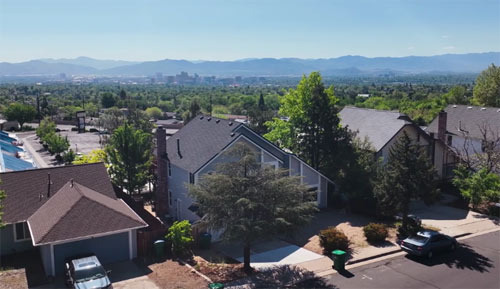
There was a time when Reno was referred to as 'California's affordable alternative.'
However, this perception began to change rapidly when Tesla chose Sparks, near Reno, as the site for its Gigafactory in 2014.
According to the Census ACS 2023, the median household income in Reno is estimated to be around $65,000. This figure is about $13,500 lower than the national median of $78,538, but the trend over the past decade has been upward. To understand the income landscape of this city, one must consider not just the current numbers but also the speed and context of change.
It is reasonable to mark 2014 as a turning point for Reno's economy. The Tesla Gigafactory is located in Sparks and is effectively connected to the Reno metro labor market. Following this, the establishment of an Apple data center, a PepsiCo logistics facility, and several e-commerce logistics hubs significantly altered the employment composition. The city has shifted from a traditional casino and tourism focus to a mixed structure of manufacturing, logistics, and data infrastructure. The wage levels for new jobs are generally higher than those in the old industries, putting consistent upward pressure on median income.
When considering the practical implications of a median income of $65,000, Nevada's tax structure is a key variable. Nevada is a state without a personal income tax. Only federal income tax needs to be paid. For example, comparing earning $65,000 in Sacramento, California, to earning the same amount in Reno shows that the difference in California state income tax translates directly into disposable income. Depending on the tax bracket, this can result in thousands of dollars in difference. This is one of the most direct financial reasons why California transplants choose Reno.
Looking at the housing market, Reno has experienced significant price increases over the past decade. Prior to 2014, the median home price was reported to be below $200,000, but it has recently risen to between $420,000 and $500,000. This indicates that the price-to-income ratio for housing has increased to over 6-7 times. The past reputation of being an 'affordable alternative' is gradually fading. Nevertheless, there remains a significant price difference compared to the Bay Area or LA, which keeps the demand for relocation steady.
There is an interesting aspect to Reno's income distribution. With the establishment of the Gigafactory and logistics hubs, a large number of jobs in production and logistics have been created, and the hourly wages for these positions are often higher than those in casino service jobs. At the same time, the population of students and staff associated with the nearby University of Nevada, Reno (UNR) tends to lower the median somewhat. The mix of high-wage tech and logistics jobs with tourism and service jobs is believed to be creating the $65,000 median. If we separately account for households with full-time manufacturing and logistics workers, this figure could be significantly higher.
In terms of cost of living, Reno is definitely lower than California, but it has increased significantly compared to the past. Dining out, groceries, and clothing are at or slightly below the national average. Summer cooling costs are not insignificant due to the desert climate. The city structure makes it difficult to live without a car. Winter snowfall also needs to be considered for vehicle maintenance costs. Overall, the cost of living is assessed to be in the mid to upper range.
Having observed the local market for decades, one thing that stands out is that Reno is still a city in transition. The median income of $65,000 is a significant increase compared to ten years ago, and if employment in manufacturing, logistics, and data infrastructure continues to grow, this figure has the potential to rise further. If the gap with the national average is narrowed by the effects of tax savings, the actual standard of living has already reached a level that can compete with average cities nationwide. The view of Reno as simply a 'cheap place' is likely becoming less accurate.
 330iforever
 MonthlyLoot







 neapolis |
 moo moo |
 ultron78 |
 garlic bread |
 Sugar Cream Door Bulletproof Noodles |
 zoryan |
 elion |
 Nevada Teppanyaki |
 mini hometown |
  torvia |
  Chichiki Chicago Train |
  Univ Student |
  See It |
  Con Cheese |
  softmoony |
  Breaking Bad Drama |
  New York Queens Native Blog |
  Shinbaram Dr. Blog |
  vivavida |
  Way to easy |
  limestone |
  oster |
  daddyyo |
  seadoll |
  ansdal |
  Vivid U.S. Regional Information |
  Vasila's Newlywed Blog |