


According to the numbers, the cost of living index in Reno, Nevada is 112, which is 12% higher than the national average of 100.
Once known only as a 'small gambling city,' Reno has undergone rapid changes over the past decade due to the concentration of the Tesla Gigafactory and data centers, leading to a structural increase in living costs.
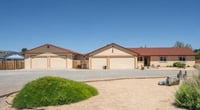
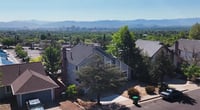
Data on housing shows that the average monthly rent for a one-bedroom apartment in Reno is estimated to be between $1,300 and $1,700. This is nearly double compared to ten years ago, with the main driving force behind this trend being the relocation of businesses and an influx of people from major cities in California. The median price for single-family homes appears to be in the range of $450,000 to $580,000. Nearby Sparks, NV tends to offer slightly cheaper housing options than Reno, so households looking to optimize their budget may first consider Sparks.
Grocery costs reflect the logistics expenses associated with sourcing some fresh produce in the desert highland area. For a family of four, monthly grocery expenses are estimated to be between $870 and $1,150, which is within the national average range but closer to the higher end. There are some Asian grocery stores operating in the Reno area, so access to Korean ingredients is not completely blocked, but the limited size of the Korean community means choices are somewhat restricted.
In terms of utilities, Reno has a climate that poses challenges in both summer and winter. As a highland city at about 1,400 meters above sea level, summer daytime temperatures can exceed 95°F, and there are days in winter when temperatures drop below freezing. Cooling costs in July and August and heating costs in December through February contribute to higher utility bills, with annual average monthly utilities estimated to be between $180 and $270.
Transportation costs benefit indirectly from the absence of state income tax in Nevada. Reno is also a car-centric city with low reliance on public transportation. Monthly transportation-related expenses are estimated to be between $400 and $620. However, Reno is about a 30-minute drive from the California state line, providing a locational advantage for households that enjoy recreational activities near Lake Tahoe. The fact that it takes about three and a half hours to drive to San Francisco via I-80 is also noteworthy for professions that frequently travel to California.
When compared to Las Vegas and Henderson (with an index of 108), which have higher temperatures and larger city sizes, Reno promotes its proximity to Tahoe and its four-season climate as strengths. However, the cost of living index tends to show that Reno (112) is slightly higher than Henderson (108), and the rate of increase in housing costs is observed to be steeper in Reno.
From the perspective of Korean households, Reno is a location where they can enjoy a growing economic environment and the benefits of no state income tax in Nevada. Various employment opportunities are emerging, including those from Tesla, Pandora, and Amazon logistics, indicating a stronger job market than before. However, the fact that the surface cost of living index is 12% above the national average and that housing costs continue to rise should be carefully considered when planning finances. The still-developing infrastructure of the Asian community is also a factor to take into account.
 FunSmoothie
 LuckyGarden89





 moo moo |
 ultron78 |
 garlic bread |
 Sugar Cream Door Bulletproof Noodles |
 urbanmint |
 zoryan |
 elion |
 Nevada Teppanyaki |
 Two LaLa World |
  loveyom |
  Coastal city |
  Spaghetti Flying Religion |
  My Town My Way Blog |
  holy cow |
  endone |
  starline |
  Where is a really nice neighborhood? |
  Real Estate |
  Forest Gump |
  Real Estate Investment Korean American |
  Dollydori, Lover of Movies |
  dmzline |
  travelo |
  American Food Information & Calories |
  Splendid Mission |
  sparklingo |
  Watch Walker |
  Soy Angelino |
  autumn |