

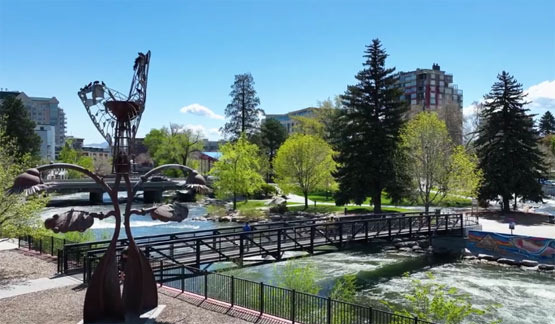
Living in Reno, summer cooling costs and winter heating bills can be surprisingly significant due to the extreme temperature differences.
For reference, the main utility providers in Reno are NV Energy (electricity), Southwest Gas (natural gas), and TMWA (Truckee Meadows Water Authority, water).
Summer electricity rates represent the largest portion of utility bills for Reno households. Summer temperatures in Reno can exceed 95 degrees Fahrenheit in July and August, making air conditioning essential during this time. NV Energy's electricity rates are structured with a base fee plus tiered rates based on usage, with residential rates in the Reno area averaging about 12 to 15 cents per kWh for 2023-2024. This is relatively inexpensive compared to California (about 25 to 30 cents/kWh).
The average summer monthly electricity bill for a typical Reno household (about 1,500 to 2,000 square feet) is estimated to be between $150 and $250. This can vary based on air conditioning usage frequency, insulation quality, and appliance efficiency. NV Energy also offers a time-of-use (TOU) rate plan that charges higher rates during peak summer hours (typically 1 PM to 7 PM), which can help reduce costs if utilized.
Winter heating costs vary significantly depending on the energy source used. The most common heating method for Reno homes is natural gas central heating (forced air), while some households use electric heat pumps or electric space heaters. Southwest Gas's natural gas rates fluctuate with market prices, but in recent years, the average winter (December to February) gas bill for a typical household has been around $80 to $150.
Notably, during the winter of 2022-2023, there was a nationwide spike in natural gas prices, leading to much higher bills. For homes using electric heating, winter electricity costs can actually exceed summer costs, with monthly bills sometimes exceeding $300. New homes with good insulation or high energy efficiency ratings can significantly reduce heating expenses.
Water bills are another important consideration in Reno. Nevada's dry climate makes water a precious resource, and the water rate structure is designed to encourage conservation. TMWA's water rates are tiered, applying a lower rate for basic usage (around Tier 1) and increasing the rate for excess usage. During the summer, including lawn and landscape irrigation, water bills can often double.
The average monthly water bill for a typical household varies significantly by season, ranging from $30 to $120. The City of Reno and Washoe County also operate a lawn removal incentive program to combat drought, allowing homeowners to reduce their water bills and receive incentives by converting their landscaping to be more desert-friendly.
When combining all utilities (electricity + gas + water), the average monthly utility bill for a typical Reno household varies by season but can be roughly estimated as follows: in spring and fall (mild seasons), the total is around $100 to $150, making it the cheapest.
In summer (June to September), the combination of air conditioning electricity costs and landscape water bills can push the total to $300 to $450. In winter (November to February), heating gas costs add to the total, bringing it to around $250 to $400. These are average estimates, and there can be significant variations based on home size, insulation quality, and lifestyle. Older homes with low energy efficiency or larger homes can see utility bills exceeding $500 in the summer or winter.
There are practical tips for reducing utility costs. NV Energy offers rebate programs for energy efficiency improvements. Rebates are available for insulation upgrades, purchasing Energy Star certified appliances, and switching to LED lighting.
Additionally, installing smart thermostats (like Nest or Ecobee) allows participation in NV Energy's peak demand reduction program, which can provide bill discounts. Installing solar panels is also a very effective option in Reno. With over 300 sunny days a year, Reno has optimal conditions for solar power generation, and when combined with federal tax credits to offset initial installation costs, it can lead to significant long-term savings on utility bills. Recently, there has been an increase in solar installations combined with battery storage systems (ESS).
 WheresMoney
 MagicTree





 My Town My Way Blog |
 Arizona AZ Cowboy |
 Valley Hong |
 Mr Oh |
 ollege Mom |
 zoryan |
 elion |
 Nevada Teppanyaki |
 Two LaLa World |
  seadoll |
  ansdal |
  Vivid U.S. Regional Information |
  Vasila's Newlywed Blog |
  Arizona Cowboy |
  merry merry |
  Hoorah Ooorah |
  Fragile Me |
  Rowland Mama |
  foxtree |
  bayaa |
  loveyom |
  Coastal city |
  Spaghetti Flying Religion |
  holy cow |
  endone |
  starline |
  Where is a really nice neighborhood? |
  Real Estate |