
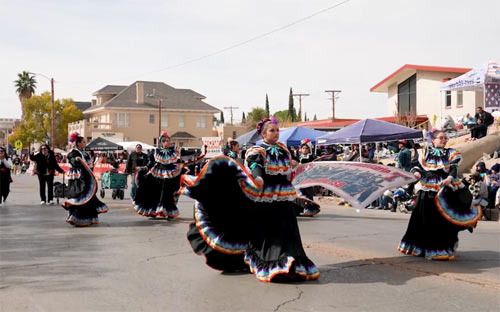
When you unfold a map of the United States and look for the western edge of Texas, you'll find a city that borders Mexico.
El Paso, TX, is the largest city in West Texas, with a population of over 676,000. Many people ask, 'Where is that?' when they first hear about this city, and to be honest, I was the same way at first. However, once you visit, you realize there's no other place with such a unique character.
El Paso is the 22nd largest city in the U.S. and the sixth most populous in Texas. Located north of the Rio Grande, it effectively forms a single living area with Ciudad Juárez in Mexico. Combined, the two cities create a mega border metropolitan area with over 2.5 million people. It's hard to find anywhere else in the U.S. where American and Mexican cultures blend so seamlessly. Spanish is the norm, and English often feels like an option.
You can't talk about the weather without mentioning it. El Paso is known as the sunshine city, with over 300 days of sunshine a year. With an average annual rainfall of only 8.8 inches (223mm), it has a semi-arid climate, meaning it hardly ever rains. Summer days can exceed 100 degrees Fahrenheit (38 degrees Celsius), but the low humidity makes it more bearable than you might think. Winters are mild, and snowy days are rare. Thanks to this weather, it offers some of the best conditions for outdoor activities in the U.S.
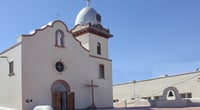
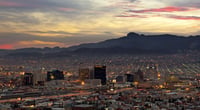
One must-visit attraction is Franklin Mountains State Park. Located entirely within the city, it's one of the largest urban parks in the U.S., covering 24,247 acres. The highest peak, North Franklin Mountain, stands at 7,192 feet (2,192m). Locals flock here for hiking, rock climbing, and cycling. History buffs should not miss the Ysleta Mission, built in 1682, which is the oldest continuously operating parish in Texas and a living testament to the U.S.-Mexico dual history. The Plaza Theatre, opened in 1930, is also a landmark in downtown El Paso and continues to operate as a performance venue.
The economy of El Paso is centered around international trade, military bases (Fort Bliss), healthcare, tourism, and services. The tourism industry alone generates $1.5 billion annually and attracts over 2.3 million visitors. Fort Bliss is one of the largest military bases in the U.S. and plays a significant role in the city's economy. The population is predominantly Hispanic, and this diversity is at the heart of El Paso's food culture. It's not an exaggeration to say it's the birthplace of Tex-Mex cuisine. If you want to taste authentic border food, El Paso is the place to go for enchiladas, tacos, and chile relleno.
Transportation is primarily through El Paso International Airport (ELP), which is just a 10-minute drive from downtown. It's also close to Las Cruces, New Mexico, making it a great base for hiking or visiting White Sands National Park. While bus and streetcar routes cover downtown, having a rental car is much more convenient. In conclusion, El Paso may not be a flashy metropolis, but it's a city where border culture, desert nature, military history, and authentic Texas food are all compressed into one place. It's definitely worth a visit to see for yourself.
 BlueOcean
 WheresMoney



 Montgomery Mom |
 Anjollinya Blog |
 Taco Seattle |
 Mr Song Song |
 Living Economy Information Blog |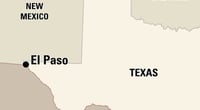
 Tomex Train Uncle |
 An ant castle |
 clarion |
 tredon |
 Whale Roar Improvisation Band |
  U donn |
  Sarah's Blog |
  Holy Cow |
  monster |
  houston mama |
  Reggae Party |
  Thou Thou |
  Tennessee Land |
  custardnew |
  Chimhanbang Korea ACU |
  See South Carolina |
  dorex |
  Taek Jun |
  Choi Cho |
  Anova US Beauty Information |
  whiskerbread |
  Yo Lock Me Up |
  pecantop |
  self-evaluation |
  |
|