
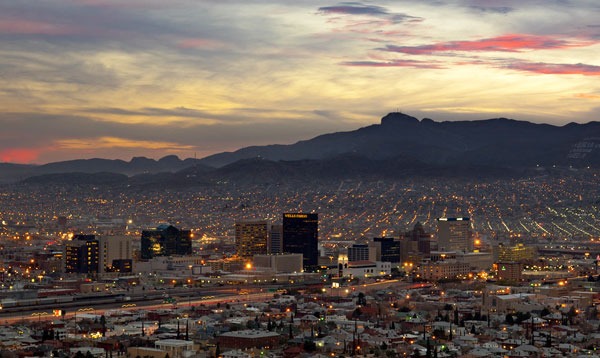
From my experience living in the U.S. for a long time, El Paso is a strategic place to live that offers a much more practical and stable life compared to flashy big cities. In particular, El Paso shows a very strong value in terms of housing costs, safety, infrastructure, and quality of life.
First, the biggest strength of El Paso is its safety. Many people think it might be dangerous because it is a border city, but El Paso has consistently been included in the group of cities with the lowest crime rates among U.S. cities with populations over 500,000 for several years.
The violent crime rate is very low, and there is a strong sense of community, making it a city particularly preferred by families. Many military families reside around the nearby Fort Bliss military base, and professionals who travel between Mexico and the U.S. also choose El Paso as a stable base for their lives.
In terms of housing costs, I feel that El Paso is close to the last economic freedom zone in Texas. Unlike major cities like Austin, Dallas, and Houston, where housing prices have skyrocketed, El Paso still maintains reasonable price levels. As of 2026, the median price of single-family homes in El Paso is in the low to mid $300,000 range, allowing for the purchase of modern homes with 3 to 4 bedrooms.
This provides a life-changing experience for those moving from high-cost areas like California, New York, or Seattle. Rent is also reasonable, ranging from $1,000 to $1,300 for a one-bedroom, making it less burdensome for both young professionals and retirees. Texas has no state income tax and a high property tax structure, but El Paso's lower home prices result in a much more stable tax burden compared to other cities.
The living infrastructure is also very solid. El Paso is built around the Franklin Mountains, allowing for stunning natural views from anywhere in the city. Although it is a desert city, green space management and park development are well done, leading to high life satisfaction. Unlike major cities with severe traffic congestion, commuting is easy, and travel is convenient via the I-10 highway and El Paso International Airport.
However, the basic structure of life is centered around personal vehicles rather than public transportation. Educational facilities like the University of Texas at El Paso and Texas Tech Medical Center play a central role in the area, and medical facilities, including the Fort Bliss Army Hospital, are also of very high quality. Shopping malls, restaurants, and cultural facilities are continuously expanding, improving the convenience of life.
The natural environment also greatly enhances the quality of life in El Paso. World-class natural attractions like White Sands National Park and Carlsbad Caverns are nearby, allowing for completely different scenery with a short drive on weekends. In the city, the food culture and arts, influenced by the blend of Mexican and American cultures, provide a diverse living experience.
Of course, there are practical considerations as well. El Paso is a city with over 300 sunny days a year, so adapting to the summer heat and dryness is necessary. However, with low humidity and well-equipped cooling facilities, it is relatively bearable in actual living conditions. Choosing a residential area is also important. The western area is preferred by the middle class and above for its scenery and school districts, while the eastern area has new homes and large residential complexes that attract many young families.
Overall, while El Paso is not a center for asset speculation, it is a very practical city to live in, offering a stable life, low living costs, and high safety. I believe El Paso remains the most attractive option for those who value stability, leisure, and a balanced long-term life over glamour.







 moo moo |
 ultron78 |
 garlic bread |
 Sugar Cream Door Bulletproof Noodles |
 urbanmint |
 fortbliss |
 Tomex Train Uncle |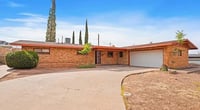
 hexon |

 Spicy Immigration Life |
  laro90 |
  MEDBIO American Doctor Blog |
  SWAT TEAM BLK |
  DREAM BIG |
  frostbite |
  330 Forever My Love |
  El Dorado |
  dralix58 |
  Gorama Round |
  Skydiving |
  dreamport |
  Yellow Snowman |
  Toaster Pizza Magic Show |
  velvetnom |
  Anytime Journey |
  Mrs. Duluth |
  jaxter |
  Atlanta Mama |
  Baguette Blog |
  Tan Sol |