
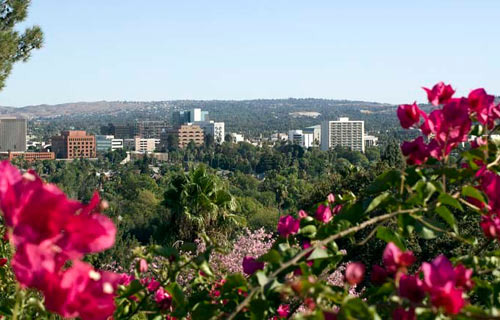
When I first moved to Riverside, to be honest, I had no idea that there was a disease called Valley Fever in this area.
When I told a friend, "I've had a cough for two months," they asked, "Have you been tested for Valley Fever?" That's when I first learned about it, and since then, I've become quite interested in the topic. Riverside County is classified as a moderate-risk area for Valley Fever (Coccidioidomycosis). According to the California Department of Public Health, this area reports about 2 to 9 cases per 100,000 people.
Valley Fever is contracted when the fungus Coccidioides, which lives in the soil, is inhaled into the air. The risk is particularly high at construction sites or dusty environments, and when dirt is kicked up while camping or hiking. The symptoms are similar to those of a cold. The main symptoms include cough, fever, fatigue, and chest pain, and about 5 to 10% of infected individuals may develop severe lung complications, with about 1% potentially spreading to organs other than the lungs. Immunocompromised patients, pregnant women, and especially those of Filipino or African descent need to be more cautious. Unfortunately, many people misinterpret it as a simple cold and miss the opportunity for treatment.
In addition to endemic diseases, the climate in Riverside also poses significant seasonal allergies. This area has very high levels of pollen from weeds and trees in the spring. In particular, pollen from olive trees, ash trees, and cypress trees can be quite severe, and when the Santa Ana winds blow, the pollen levels can spike along with the dry air. Those with allergic rhinitis or asthma should be especially careful during the Santa Ana season (mainly fall to early winter). It's a good idea to check the pollen index and air quality index (AQI) daily using the AIRNow app or your local weather service.
There are also issues with venomous insects and snakes. Riverside, being in a dry climate in Southern California, sees scorpions quite frequently. The Arizona Bark Scorpion is particularly common in this area, and its sting can cause severe pain, requiring medical attention for children and the elderly. Rattlesnakes can be found near foothills or parks, and black widow spiders often inhabit dark corners like warehouses or garages. According to the Riverside Fire Department, there is a noticeable increase in reports related to venomous insects and snakes during the summer months.
Additionally, the extreme heat in summer poses a health threat. The average high temperature in Riverside during the summer exceeds 94 degrees Fahrenheit (34 degrees Celsius), and heat emergencies can occur, with temperatures occasionally reaching 110 degrees (43 degrees). Heat stroke and heat exhaustion are particularly dangerous for the elderly and children, and Riverside County designates Cooling Centers every summer. Ultimately, to protect your health in this area, it's necessary to be aware of Valley Fever, prepare for allergies, be cautious of venomous creatures, and manage heat during the summer. Therefore, what we need is to be informed and prepared with health information that suits the characteristics of this region.
 SolidPeak84
 KiwiGymFairy




 Karina's Blog |
 Jimbeam 88 |
 Taco Bell Candy Note Blog |
 Splendid Mission |
 Florida Gario |
 Finding Superfoods |


 Purple Moons, |

 torvik |
  charger |
  holy cheese |
  Pleasant K |
  Rolling Joy Life |
  lidus |
  French Macarons |
  Central Intelligence Agency Deputy Director |
  ATL Power 1 |
  MP Forever |
  Soy Angelino |
  San Jose Pop |
  Pronunciation Yo |
  hamooo |
  Entip |
  Yavrix 92 |
  cherry cherry |
  Coastal city |
  There Are Such Things in the World |
  Mazinger Z Rocket Punch |