

Have you ever practiced English sentences in your head before making a hospital appointment?
I still do that sometimes. I know my symptoms clearly, but when I try to express them in English, it feels like they disappear halfway.
It's even more challenging when I take my parents to the hospital. When I have to interpret, I'm not sure if I understood what the doctor said.
So today, I want to summarize one way to receive medical care in Korean in New Jersey.
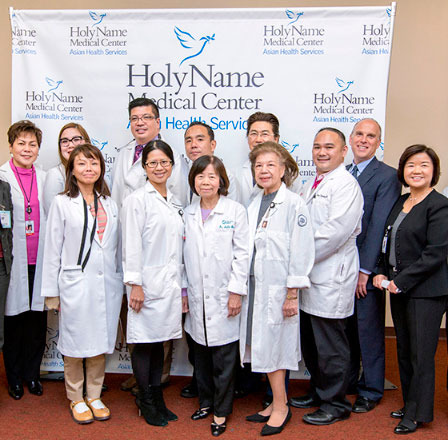
It's the Korean Medical Program at Holy Name Medical Center in Teaneck.
In English, it's called the Korean Medical Program, abbreviated as KMP. If you live in Bergen County, you may have heard of it at least once.
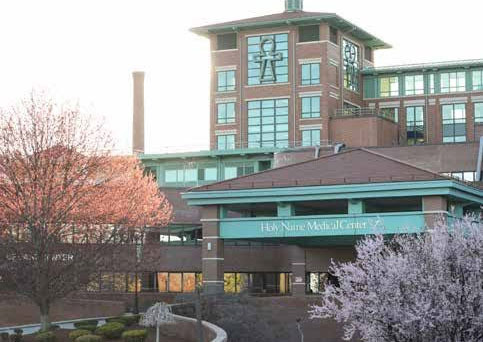
Holy Name Hospital itself was established in 1925. The address is 718 Teaneck Road, Teaneck.
The Korean Medical Program started in January 2008. According to the hospital's official page, it began with 35 Korean doctors.
Now, it has grown into a network of Korean doctors from various specialties.
The hospital claims that this program helps over 45,000 Koreans each year.
Honestly, I was a bit surprised by this number. It indicates a high demand for Korean-speaking medical services.
So, what's different about this program? The biggest difference is that a Korean-speaking staff member is with you from start to finish.
According to the official description, they assist you from arrival to departure and help connect you with specialists.
They provide interpretation and coordinate schedules with the doctor's office.
This alleviates that moment of confusion in front of English documents. I think this aspect is the most practical.
The participating doctors cover a wide range of specialties. The official page lists areas such as cardiology, liver disease, oncology, endocrinology, and primary care.
Many common concerns for Koreans are included.
According to case studies from the American Hospital Association, KMP doctors have specifically addressed common diseases in the Korean community.
Diabetes, hepatitis B, and mental health were among the topics. They have organized screenings and educational campaigns on these subjects.
The Walk for Mom campaign, which encourages breast cancer screenings, is also part of this program.
They have held a health festival every year offering free screenings for uninsured Koreans. Be sure to check the hospital directly for this year's schedule.
They say they pay attention to small details when you're hospitalized. The hospital menu includes Korean food, and you can watch Korean broadcasts and read newspapers in your room. We all know the comfort a bowl of seaweed soup brings when you're sick.
The main facility is in Teaneck, and the official page also introduces satellite offices in Closter and Englewood Cliffs.
It's not too far from Palisades Park by car. However, the office information may change, so it's necessary to confirm before visiting.
So how do you use this service? The easiest way is to contact the Korean-language hotline first. The number is 201-833-3399.
When you call, you can explain your symptoms or the specialty you need in Korean.
The hospital staff will guide you to the appropriate doctor or service. It's much less stressful than making an appointment in English.
There are a few things to prepare before calling. Take photos of your insurance card, front and back. Write down the names and dosages of any medications you are taking.
It's also good to note when your symptoms started. If you have previous test results, bring those along. Having this information makes your appointment much more productive.
You must check the insurance issues separately. Even if the hospital is in-network, the individual doctor may not be.
One more thing to keep in mind: hospitals receiving federal support must provide free interpretation services to patients with limited English proficiency.
This means you can confidently request interpretation services at other hospitals, not just KMP.
It's generally not recommended to rely on family members or children for interpretation. Remember that you have the right to request a professional interpreter.
If you've been postponing a hospital visit due to language barriers, consider using this program first. Delaying care can be the most expensive choice. OhMyOz
 hoosierdaddy



 zestorbit |

 hihihi |

 fruitflash |
 Anjollinya Blog |
 United States Army |

 Margarine Daebimama |

 Kim You Shin |

 yogurt mania |

 Miju Communication News Blog |
 choi family |
 Shining Our Own World |
 Raymond K. |
 gravity |
 714 Success Era Real Estate |
 Investment Beginner Company Information Encyclopedia |
 musicque |
 The Gelaton |
 ovelion |
 Chicagonian |
 Freedom Yea |
 AZ Road Master |
 glenix39 |
 Something is popping in the situation |
 orvella |
 vella |
 comets |
 Banana |
 Yes Dorian |
 zentar |