
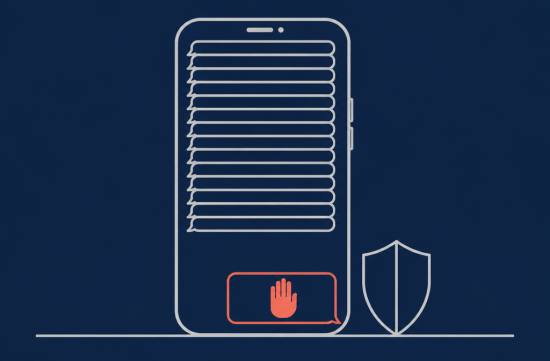
With less than two weeks until the election, my phone is really non-stop. During class, my phone vibrated, and when I checked, I saw a message from an unknown number saying, "Last chance, donate now."
It's not just one or two a day. They come from candidates on both sides, so this isn't just a political issue; it's a problem for everyone.
So, I did some thorough research this time. Instead of guessing, let's see what the FCC actually says.
First, there's a common misconception. Many people think that registering their number with the Do Not Call Registry will stop political texts, but that's not true.
According to the FCC, political campaign calls and texts are exempt from the Do Not Call Registry. However, they must comply with the rules of the TCPA, a federal law.
The key factor is whether the messages are sent automatically. Texts sent to cell phones via an automatic dialing system require prior consent from the recipient.
However, if someone is sending messages one by one manually, that's a different story. The 2020 FCC ruling determined that platforms where a person manually presses send for each number are not considered autodialers.
This is why campaigns mobilize volunteers to send so-called peer-to-peer texts. Ironically, this allows them to bypass consent regulations because a person is sending the messages.
So, what can we do? The most basic step is to reply STOP to official campaign texts.
The FCC states that consent can be revoked at any time and by any reasonable means. Replying STOP to a text is a common example.
The rules that went into effect on April 11, 2025, are more specific. Words like stop, quit, end, revoke, opt out, cancel, and unsubscribe are recognized as valid expressions of withdrawal on their own.
Senders must process these requests within a reasonable time, no later than 10 business days. So, don't be too surprised if you receive another text the day after sending STOP.
By the way, the so-called revoke all provision, which would apply a single refusal to all messages from that sender, has been postponed. The current known date is January 31, 2027, and the FCC is reviewing the details.
The second method is to report them. You can report unwanted spam texts by forwarding them to 7726. It's easy to remember since it spells SPAM on a number keypad.
If you suspect a political text has violated regulations, you can also file a complaint directly on the FCC's consumer complaint portal. It's helpful to capture the sender's number and the time you received the message.
The third option is to adjust your phone settings. Whether you have an iPhone or Android, there's a feature to filter messages from numbers not in your contacts, which can significantly reduce notification stress.
Here's the main point I want to make: replying STOP only works for official campaigns.
During election season, there are also scam texts that mimic donation requests or voting information. Sending STOP to these could actually signal that the number is active.
So, my criteria are simple. If the campaign name and candidate are clear and the number is familiar, I reply STOP; if the source is vague or the message asks me to click a link, I report it to 7726 and delete it without replying.
Never click on links. If you want to donate, it's best to search for the candidate's official website directly instead of using the link in the text.
The same goes for texts claiming that polling places or voting methods have changed. If you live in DC, it's most reliable to check directly on the official DC Board of Elections website.
Honestly, I believe this issue goes beyond mere annoyance. Confusing people with fake information during election time touches on both personal data and election security.
Law and order aren't grand concepts. Senders who follow the established rules should back off with just one word: STOP, while those who don't should be filtered out through reporting.
One more thing to keep in mind: if you previously signed a petition or made an online donation and provided your number, there may have been consent language for receiving texts in that form.
So, moving forward, check if the phone number field is mandatory when signing. If it's optional, leaving it blank is the best preventive measure.
There's a line from a drama that says, "Winter is coming." For us, it's "Election texts are coming," and they will continue until the general election on November 3.
To summarize, here's the order: STOP for official campaigns, 7726 for suspicious ones, turn on filters for unknown numbers in settings, and don't click on links.
After doing just these four things, my phone has become a bit quieter. How many political texts have you received this election season? Please leave a comment with the number.
 skyroadmaker1967








 Giant Squid and Sweet Potato Soup |

 choi family |

 What can make money? |

 road98 |

 Baguette Blog |

 El Dorado |
 washington mom |

 Another Eden Channel BLOG |
 American Travel Cruise Information |

 Everything Students Can Do |
 cathywhite |
 heartbreaker |
 Valley Hong |
 The Gelaton |
 Twist Kim |
 berlon93 |
 Physical Laws and Science |
 good thinking |
 Solo Yolo |
 Mr Oh |
 laro90 |
 San Diego TOP Idol |
 Round and Round Children's Song Kingdom |
 American Golf Course Travelogue |
 MEDBIO American Doctor Blog |
 Hot Seat Driver |
 bryvexi |
 koala organic farm |
 riverstone |