

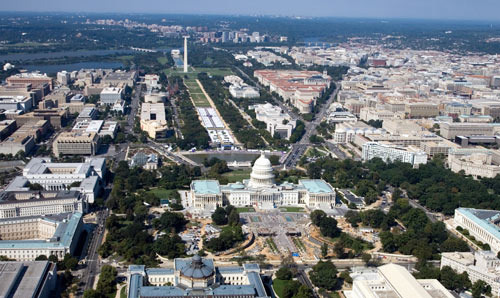
If you don't familiarize yourself with Washington DC transportation, you might be caught off guard during your first commute.
While the Metro system provides developed public transportation, DC is also ranked as one of the cities with the worst traffic congestion in the U.S. I've organized the information based on data.
The Washington DC metropolitan public transportation is operated by WMATA (Washington Metropolitan Area Transit Authority). The Metro has six lines: Red, Blue, Orange, Silver, Yellow, and Green, connecting DC, Northern Virginia, and the Maryland suburbs. It operates a total of 98 stations over approximately 193 km. Service hours are from 5 AM (some lines start at 5:30 AM) to midnight on weekdays, and from 7 AM to midnight or 1 AM on weekends.
Fares are distance-based, with short trips in the city costing just over $2, while longer trips to the suburbs can exceed $6. Purchasing a SmarTrip card is cheaper than using cash. The Metrobus connects DC with nearby suburbs, and the DC Circulator is an affordable bus service (basic fare is $1) that circulates through major areas in the city.
DC traffic is notoriously bad. According to INRIX traffic data, the DC metropolitan area consistently ranks among the worst cities for traffic congestion in the U.S. During morning rush hours (7-9 AM) and evening rush hours (5-7 PM), major highways like I-66, I-270, I-95, and the Beltway (I-495) experience severe congestion. Roads within downtown DC also face extreme traffic during commuting hours.
For those commuting from Fairfax County, where many Korean residents live, taking the Metro to downtown DC takes about 40-50 minutes, but driving can take over 1.5 hours during rush hour. If you have access to the Metro, I strongly recommend using it for your commute.
Bicycles and scooters are also an important part of DC transportation. Capital Bikeshare is a large bike-sharing system with over 700 stations, offering both short-term use and annual subscriptions. Lime electric scooters are available throughout DC. The city has well-established bike lanes, making it popular for commuters who bike to work. Parking is one of the major headaches in DC. In downtown, parking fees range from $4 to $8 per hour, with a maximum of $30 to $40 per day. Street parking operates on a meter system or through a Residential Parking Permit (RPP) system. Parking without a permit in residential areas can lead to quick fines.
Here are a few tips for those living in DC with a vehicle. You need to register your vehicle with the DC DMV (Department of Motor Vehicles) within 30 days of residency. A Vehicle Emissions Test is also required every two years.
Your car insurance must meet or exceed the minimum liability requirements for the state of DC. There are strict prohibitions while driving in DC, including passing school buses, driving in bike lanes, and using a cellphone without a hands-free device, with hefty fines for violations.
 SeaMedia
 Kingkos
 CoffeeBear





 neapolis |
 moo moo |
 ultron78 |
 garlic bread |
 Sugar Cream Door Bulletproof Noodles |
 El Dorado |
 Eldorado 88 |
 Everything Students Can Do |
 washington mom |
  sunnyvale |
  Podongi Dad Blog |
  nexium |
  Washington Monument |
  dynamic |
  Key spots |
  berrypup |
  Yo Lock Me Up |
  Oh my Julia |
  bibigoo |
  silents |
  Team Korea Psychoanalysis Research |
  North Dakota Ragdoll Cat Owner |
  Cap Com |
  Trot King News |
  Blondee |
  some fame |
  rapidfire |
  walnutbo |