

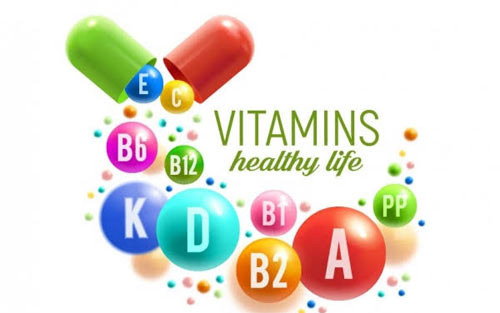
Once you hit your 50s, you often hear conversations like this among friends.
"What supplements are you taking?" "Make sure to take your vitamins."
However, when you actually go to the pharmacy, Costco, or grocery store, the variety of vitamins can be overwhelming, making it hard to decide what to buy.
There are multivitamins, vitamin D, B vitamins, omega-3s, and magnesium, among others. Honestly, it feels like you could just grab anything.
Recently, I watched a video on YouTube featuring an oncologist explaining these topics, and his words really resonated with me.
He emphasized that as we age, it's not about taking a bunch of different supplements, but rather about properly supplementing the nutrients that our bodies are likely to lack.
I found a lot of valuable information in the video, so I decided to summarize it.
The First Vitamin to Focus on After 50 is Vitamin D
The doctor mentioned that vitamin D should be the first priority.
As we age, we spend less time in the sun, and our skin's ability to produce vitamin D diminishes.
A deficiency in vitamin D not only weakens bones but can also reduce muscle strength, increasing the risk of falls. After 50, a single fall can lead to serious injuries, so it's crucial to pay attention to this.
If you spend a lot of time indoors, it might be a good idea to check your vitamin D levels with a blood test.
Vitamin B12 is Another Important Nutrient
After turning 50, the production of stomach acid decreases, which can impair the absorption of vitamin B12 from food.
A deficiency can lead to feelings of fatigue, weakness, tingling in the hands and feet, or memory issues.
Those who take stomach medications for a long time or do not consume much meat are at a higher risk of B12 deficiency, so it's worth checking your levels.
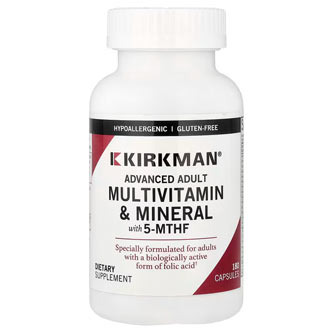
Also Consider Folate and Vitamin B6
Folate and vitamin B6 play important roles in blood and nerve health alongside vitamin B12.
However, if you generally eat a balanced diet, you may not be deficient. Therefore, rather than automatically buying high-dose products just because others do, it's wiser to supplement based on health check results.
More of Vitamins C and E Isn't Necessarily Better
Many people believe that taking high doses of vitamins C and E can prevent cancer and improve health.
However, current research does not provide sufficient evidence that high doses of vitamin C or E significantly reduce cancer risk.
Instead, consistently eating seasonal fruits and vegetables is more beneficial for your health.
Multivitamins Are Just Supplements
One statement that stuck with me was, "Vitamins are not medications; they are supplements."
This is very true. No matter how good the supplements are, if you stay up late drinking and neglect your meals, it will be hard to maintain your health.
Ultimately, maintaining health comes down to basic habits like regular walking, eating enough protein and vegetables, exercising moderately, and getting good sleep.
After 50, our digestion and absorption abilities are not what they used to be, and muscle mass gradually decreases.
Therefore, rather than blindly following supplement trends, I believe it's best to get health check-ups, exercise diligently, and only supplement the nutrients that my body lacks.
 SmileTiger
 LimeRider
 Rynex78







 Mr Cleveland |
 solvix18 |
 RV Samuel's Dad |
 Young Kim and Cheol's Blog |
 American Blog Forge |
 Seattle - Emerald City |


 PETRO Vatican Shrine |
 Medical Latest Trends News |
  festive |
  You Turn Me On |
  Supplemental Security Income (SSI) Information |
  Sams Market |
  ansdal |
  VVV 80 |
  BIODOCTOR NEWS |
  Gold Bar |
  Tamfa Fan |
  Jenny's Mom blog |
  Karina's Blog |
  Best Frozen Yogurt |
  Victory 1988 |
  Coding Elf |
  Infinite Style |
  Sugar Cream Door Bulletproof Noodles |
  novapixel |
  lavender |
  macan 08 |