

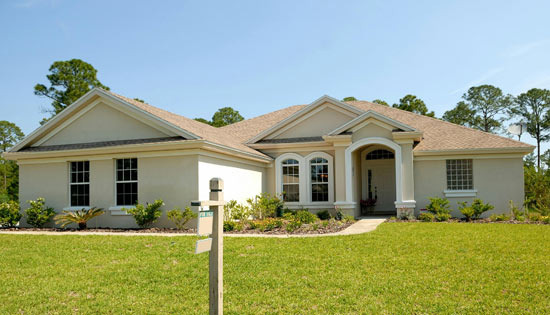
When I first bought a house, my realtor said something like this.
"Just because you signed doesn't mean it's over." At the time, I didn't understand what that meant. Now, I know it all too well.
In the U.S., once a home purchase contract is signed, the property goes into an Under Contract status.
However, this does not mean it's automatically "my home." During the contract period of about 14 to 21 days, the buyer must pass through three hurdles: home inspection, appraisal confirmation, and mortgage approval to truly close the deal.
These hurdles are referred to as contingencies. Simply put, they are conditional clauses in the contract.
They are mechanisms that allow the buyer to cancel the contract if certain conditions are not met.
In simple terms, a contingency is a clause that states, "If this condition is not met, the contract can be canceled."
There are three main types.
The first is the loan contingency. This clause allows the buyer to cancel the contract if mortgage approval is not obtained.
In times of high interest rates like now, issues often arise in this area more than expected.
Banks sometimes suddenly change loan conditions or reduce the approved amount.
If there is no loan contingency in such situations, the buyer could lose their deposit and, in some cases, face lawsuits for breach of contract.
The second is the appraisal contingency. Since banks lend money using the home as collateral, they must verify the appraised value.
If the bank's appraisal comes in lower than the contract price, it becomes a problem. For example, if the contract is for $800,000 but the appraisal is $750,000, the bank will only lend based on that amount.
If the seller does not lower the price, the buyer will have to cover the difference in cash. However, if there is an appraisal contingency, the buyer can cancel the contract in such cases.
The third is the inspection contingency. Personally, I think this is the most important.
The home inspection process checks the condition of the house, and unexpected issues are often discovered.
Common examples include roof leaks, electrical wiring issues, plumbing problems, and foundation cracks.
If significant defects are found and the seller refuses to make repairs or provide credits, the buyer can cancel the contract and get their deposit back.
As the market cools, buyers become more discerningIn the overheated market of the first half of 2022-2023, buyers purchased homes even waiving inspection contingencies.
The competition for offers was extremely fierce. The result? Even when defects later surfaced, it was hard to hold the seller accountable. Now, it's the opposite. In the high-interest phase of 2025-2026, buyer power has returned. Even for minor defects, buyers are saying, "I'll cancel."
In fact, in December 2025 alone, over 40,000 contracts were canceled nationwide, and in some areas, one in five contracts fell through.
Contingencies are rights. It's right to use them. Don't buy a house based on emotional appraisal. Homes should be judged on ROI. If you skip the inspection report because you don't want to see it, you might face a bombshell worth tens of thousands of dollars later.However, if you cancel after the contingency period due to a change of heart, you will lose your deposit. You could even face lawsuits.
It's best to carefully evaluate within the period, and after the period, take responsibility for the purchase.
 CupRamenArmy







 moo moo |
 ultron78 |
 garlic bread |
 Sugar Cream Door Bulletproof Noodles |
 urbanmint |
 PETRO Vatican Shrine |
  Bald Eagle Brothers |
 Real Estate Agent USA |
 Bacon King Blog |
 sunrise |
  lumbus |
  Texas Migration Story |
  Scade Studio |
  love ya |
  biscuit90 |
  chicpo |
  Helpful Life Stories |
  Kitchen Ideas |
  Diana Blues |
  Agenda Center |
  Community Cross |
  journey |
  heeve |
  leman |
  corner kick |
  treasure |
  strawberry |
  Augusta Univ |
  B.I.G. Victor |