
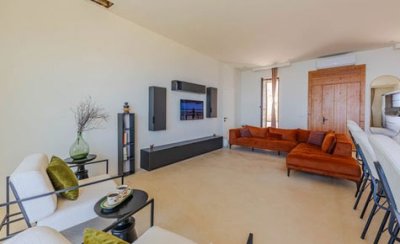
Until recently, San Jose was the most expensive major city for housing in the U.S. However, as of 2026, San Francisco has reclaimed that title (Redfin, March 2026 report). Comparing the two cities, it's clear that San Francisco's price increase has been notably rapid, which means that buying a first home in this city now requires more careful budgeting.
The median sale price in downtown San Francisco has recently reached around $1.4 million (Redfin, 2026). Breaking this down for a down payment, if you prepare 20%, you would need $280,000 in cash and a loan of $1.12 million, resulting in a monthly principal and interest payment of about $7,150 at a fixed rate of 6.6% over 30 years. In simpler terms, this means that the monthly payment is two to three times the average rent.
When choosing a type of loan, the first step is to look at your credit score and available cash. An FHA loan can start with a 3.5% down payment if your credit score is 580 or higher, while a score between 500 and 579 requires a 10% down payment (FHA.com). A conventional loan can be available with as little as 3% down for first-time homebuyers or those with an income at or below 80% of the area median income, though most people typically prepare around 5%. In simpler terms, if you can't reach 20%, you'll incur a monthly PMI insurance cost, which disappears if you exceed 20% down payment.
The property tax aspect may also feel unfamiliar. The average effective tax rate in California is about 0.71% (Tax Foundation, 2026). However, within San Francisco County, actual burdens can vary due to local bonds or special assessments, so it's safer to check the exact tax rate based on the property address.
First-time homebuyers should also consider the CalHFA MyHome Assistance Program. This is a second mortgage that can provide up to 3% of the purchase price or appraised value for down payment or closing costs, with repayment deferred until the home is sold or refinanced (CalHFA). However, there are income limits and completion of homebuyer education required.
During the pre-approval stage, the debt-to-income ratio (DTI) is also calculated. In simpler terms, this is the ratio of your monthly debt payments to your income, and a lower number means better loan terms.
Korean families looking at school districts often pinpoint neighborhoods with high GreatSchools ratings. However, school district boundaries change frequently, so it's advisable to verify the assigned school for a property before purchasing.
If you're moving from another state, those coming from states with no income tax may be particularly surprised. California has relatively low property taxes but a high income tax burden, which should be factored into your calculations to understand the actual cost of living differences.
Closing costs are typically estimated to be between 2% and 5% of the purchase price. This includes appraisal fees, inspection fees, title insurance, and escrow fees.
The MyHome Assistance Program can also be applied for in conjunction with CalHFA's first mortgage products (CalHFA). The interest rates offered vary based on your credit score range, so it's wise to check your credit report before making an offer. Additionally, it's good to know that it's common to include an earnest money deposit of 1% to 3% of the purchase price with your offer.
This article is not investment or legal advice, and it's recommended to consult with a loan officer or real estate professional to confirm conditions that suit your personal situation before making any agreements.
 reator1977
 goldenforestcreator1929





 moo moo |
 ultron78 |
 garlic bread |
 Sugar Cream Door Bulletproof Noodles |
 urbanmint |
 Moscow Kim |
 Nuchuhan Exploration BLOG |
 Peter Pan Pet |
  vanilla |
  norvexi |
  Lunch and Dinner Mexican Taco |
  skykong |
  My Circle |
  novapixel |
  urban legend |
  coolriver |
  Good Neighborhood, Wealthy District Information |
  Ro Ro Car |
  Amber H |
  new sugar |
  Palm 1000 |
  loran |
  donutfield |
  Tennis City |
  sunny7 |
  Questions about firearms while living in America |
  Shoot Me |
  mochifox |