

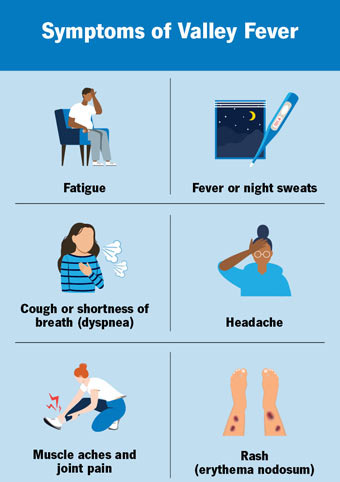
When I first heard the term Valley Fever while living in El Paso, I wondered what it was.
Just hearing the name makes it sound like a disease you catch while visiting some valley.
However, I found out that it's a fungal infection that occurs when living in dry desert climates.
The official name is coccidioidomycosis. The Coccidioides fungus lives in dry soil, and when the ground is disturbed or strong winds blow, tiny spores can become airborne with the dust. People become infected by inhaling these spores.
So, it's not a disease that spreads like a cold; it starts in the soil.
In El Paso, this issue is not just someone else's problem. A study by UTEP researchers analyzing data from El Paso County found that the incidence of Valley Fever increased more than threefold between 2013 and 2022. The researchers looked at conditions such as high temperatures, dry environments, wind, and fine dust.
According to the CDC, many people who inhale the spores show no symptoms or have mild cases.
If symptoms do occur, they can include fatigue, fever, cough, shortness of breath, headaches, or muscle aches. Chest pain can also happen.
The problem is that it resembles the flu or other respiratory illnesses too closely.
"It's probably just a cold."
You might wait a few days, but the cough and fatigue can last for weeks.
In some cases, it can progress like pneumonia, and very rarely, severe infections can occur where the fungus spreads outside the lungs. People with weakened immune systems or the elderly should especially consult a doctor.
So, if you live in an area like El Paso where Valley Fever is present and experience unexplained cough, fever, or severe fatigue that lasts a long time, it's a good idea to mention your recent exposure to dust when seeking medical care. Asking your doctor about the possibility of Valley Fever is also a good approach.
That said, there's no need to be scared and stay indoors just because the spring winds blow.
However, on days with heavy dust, it's probably best not to spend too much time outdoors digging in the dirt or gardening.
The CDC also advises avoiding areas with high dust levels and, if you must dig, to wet the soil first to minimize dust.
Masks can help, but wearing any mask doesn't mean you'll be completely protected. In dusty work environments, considering properly fitted respiratory protection like an N95 mask can be beneficial. The main route of infection for Valley Fever is inhaling spores from the air, not through hand contact. Ultimately, the key is to reduce dust exposure.
I think that's about all you need to know about Valley Fever. If you live in the desert, it's a disease worth remembering at least once.
 LastMohican
 my heart
 StillLiving
 midnightfoxwalker1956




 LIZ Legal Information Blog |
 Karina's Blog |
 Jimbeam 88 |
 Taco Bell Candy Note Blog |
 Splendid Mission |
 Tomex Train Uncle |
 An ant castle |
 clarion |
 tredon |
 Whale Roar Improvisation Band |
  La Bean |
  American History This and That |
  Monte Sori |
  U donn |
  Sarah's Blog |
  Holy Cow |
  monster |
  houston mama |
  Reggae Party |
  Thou Thou |
  Tennessee Land |
  custardnew |
  Chimhanbang Korea ACU |
  See South Carolina |
  dorex |
  Taek Jun |
  Choi Cho |
  Anova US Beauty Information |
  whiskerbread |
  Yo Lock Me Up |