

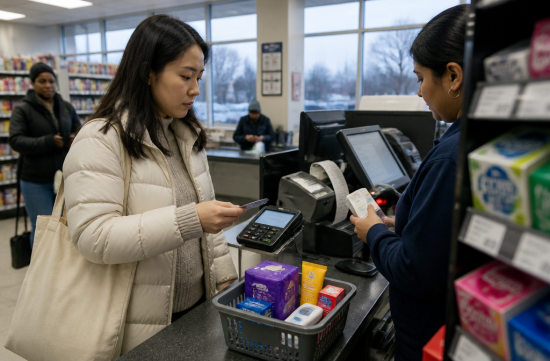
Last night, I went to the store to buy a bag of apples and received a text from a friend at the checkout. They asked if the money left in their FSA would really disappear after December.
I felt a bit startled since I had experienced that a few years ago. So today, I want to carefully go over the topic of year-end FSA balances.
First, let's start with the basics. A health FSA is an account where money is deducted from your paycheck before taxes to be used for medical expenses, so it must be spent within the plan year.
This is commonly referred to as the use it or lose it rule. Any money not spent by the deadline is forfeited and goes back to the employer.
However, not all plans end on December 31. The IRS allows employers to choose one of two options for a buffer.
The first is a carryover. This allows some of the remaining funds to be rolled over to the next year, with a maximum amount of $680 that can be carried over from the 2026 plan to 2027.
This figure was announced by the IRS in Revenue Procedure 2025-32 and has increased by $20 from last year's limit of $660. Remember that employers can set a lower limit than this.
The second option is a grace period. This allows you to spend up to two and a half months after the plan ends, typically until March 15 for calendar-year plans.
The important thing is that you can only have one of these options. There are no plans that offer both a carryover and a grace period, and some plans may not offer either.
Additionally, there's a run-out period that can be confusing. This is not a period for spending more money, but rather a deadline for submitting receipts for expenses already incurred.
So the first thing to do is to open your plan documents or the FSA management app to check three things: your remaining balance, whether you have a carryover or grace period, and the claim submission deadline.
If you find that you need to spend your balance by year-end, it's time to think about what to buy. I was actually excited to see how many options there are.
Since the 2020 CARES Act, you can purchase over-the-counter medications with your FSA without a prescription. This includes common items like pain relievers, allergy medications, and cold remedies.
Menstrual products have also been included as eligible expenses under the same law. Items like pads, tampons, and menstrual cups are great to stock up on since you need them regularly.
Many management companies also list sunscreen with an SPF of 15 or higher as eligible. It's easy to forget in winter, but buying some for next summer can be a good idea.
If you have prescription medications, refilling them before year-end is also a good strategy. You can use your FSA for copays and other medical expenses, so if you have any postponed appointments, now is a good time to schedule them.
Filling up a first aid kit is also recommended. Organizing small items like band-aids, thermometers, and disinfectants can quickly reduce your balance.
If you have a larger amount left, consider purchasing glasses or contact lenses. Eye exams and lens purchases are typical FSA expenses, making them easy to take care of in one go.
The same goes for dental care. If you have any overdue cleanings or treatments, booking an appointment before year-end is the best way to go.
However, vitamins and supplements usually require a doctor's note to be eligible, so be careful not to buy them without proper documentation.
Also, the eligible items can vary by plan. It's safest to check the list of eligible items on your management company's website before making a purchase.
When selecting medications, make sure to consult with your doctor or pharmacist to ensure there are no ingredient overlaps and that they can be taken together with your current medications. You don't want to jeopardize your health while trying to spend your balance.
As a reference, the limit for contributions to a health FSA in 2026 is $3,400. This amount can make it challenging to spend it all at year-end, so if you have a significant balance, it's wise to start planning now.
Using your FSA card for payments is convenient. If you can't use the card, make sure to check that the receipt shows the item names and upload a photo of it right away.
In the last week of December, many people have similar thoughts, making it hard to get appointments at optical shops or dental offices. That's why I prefer to take care of the big items in November.
When deciding on next year's contribution, you can use this experience to your advantage. Try to estimate your actual medical expenses from this year and contribute a bit more conservatively based on that.
I used to be overly ambitious and contribute a lot, only to scramble at year-end. Now, I prefer to contribute only what I know I will spend, which makes things much easier.
In summary, the steps are simple: check your balance, review your plan rules, book appointments for larger expenses, finish up with over-the-counter and everyday items, and submit your receipts.
I shared this with my friend, and they said they were heading to get their glasses adjusted right away. Why not open your app this weekend? Even if the remaining amount is small, it's still your money, so make sure to use it wisely.
 BrightTrail85
 ThinkingOden


 Anjollinya Blog |

 United States Army |

 premium |

 The Emperor Must Grow |

 squidogame |

 vanillastorm |

 sugartrail |



 raspberry7 |
 strawberry |
 US Regional Information Local News |
 USA Business News |
 Blondee |
 E whisper |
 Potato House |
 freshmint |
 Ansaso |
 Golado |
 babybay |
 honeycom |
 French Macarons |
 Exploring American Life Information |
 Sunshine Blog |
 Community Cross |
 Sayonara H |
 What can make money? |
 Information Search LifeMAN |
 morvex37 |
 neontrail |