
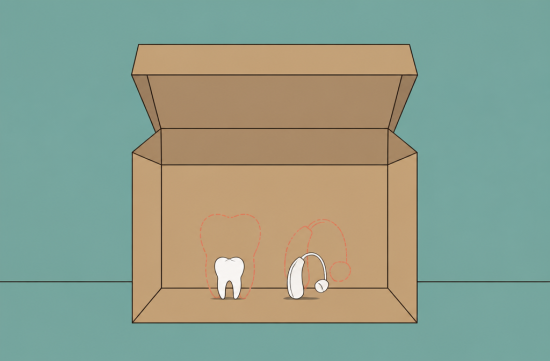
These days, I often hear a common question from the seniors around me: Will the Advantage plan with a $0 premium still cover dental and hearing aids next year?
To get straight to the point, while it varies by plan, industry analysis suggests there is a significant possibility of reductions. However, government announcements tell a slightly different story, so today I will carefully outline both sides.
First, let's start with the basic concept. Medicare Advantage is referred to as Part C, which is a plan operated by private insurance companies that receive funds from the government for each enrollee.
Dental, hearing aids, glasses, and fitness benefits are not originally part of the basic Medicare benefits. They are supplemental benefits provided by the insurance companies using their surplus funds.
Therefore, when insurance companies face financial strain, the first area they cut back on is usually here. This is the crux of today's discussion.
So, did the government payments decrease for 2027? The answer is no. The payment rate confirmed by CMS on April 6 is an average increase of 2.48%, which amounts to over $13 billion.
In the initial draft in January, there was essentially a freeze with a 0.09% increase, but the final proposal saw a significant rise. From the insurance industry's perspective, this is a sigh of relief.
However, the same announcement also included aspects that are troubling for insurance companies. It was confirmed that chart review diagnoses, which are not linked to actual medical records, will be excluded from risk score calculations.
In simpler terms, this means that the practice of adding diagnoses on paper to receive more funds has been curtailed. Remote audio-only telehealth diagnoses have also been excluded.
According to CMS estimates, these two adjustments alone will save Medicare $6.84 billion. Conversely, this means that much will be deducted from insurance company revenues.
Additionally, healthcare costs continue to remain high. Insurance companies have been under pressure regarding profit margins for several years now.
In fact, major insurance companies have all been downsizing. Centene is exiting 344 counties, CVS is leaving 103, UnitedHealthcare is withdrawing from 63, and Elevance is pulling out of 56 counties.
So why are they cutting benefits without raising premiums? The term used in the industry is benefit shrinkflation.
A $0 premium is a marketing phrase in itself, and if it changes, enrollees will notice immediately. On the other hand, reductions in dental limits often go unnoticed until treatment claims are denied.
Thus, brochures still list dental, hearing aids, and glasses, but the limit amounts or out-of-pocket costs may change subtly. Honestly, this aspect feels a bit sneaky.
However, we must also look at the opposing data fairly. CMS stated in their late September announcement that supplemental benefits like dental, hearing aids, and glasses will generally remain stable.
The average monthly premium is projected to decrease from $14.37 in 2026 to $12 in 2027, a drop of 16.5%. The total number of plans will remain nearly the same, going from 5,553 to 5,532.
So, to summarize, on average, there doesn't seem to be a significant change, but for the specific plan I am enrolled in, there could be considerable cuts.
Average is just average. If my dental limit is cut in half, that's a 100% loss for me.
So, there's something you need to do now. Be sure to open the ANOC, or Annual Notice of Change, that must be sent to enrollees by September 30.
It's easy to just toss the thick envelope into a drawer, but first check the annual maximum limit and covered treatment types for dental. For hearing aids, confirm the support amount per pair and any restrictions on designated providers.
Information about 2027 plans will be available for comparison on Medicare.gov's Plan Finder starting October 1. The open enrollment period is from October 15 to December 7.
If you find English documents overwhelming, consider using HICAP, California's free Medicare counseling program. They provide unbiased advice unrelated to insurance sales.
You can also call 1-800-MEDICARE and request a Korean interpreter. Surprisingly, many people are unaware of this option.
Another tip is that if you have plans for dental treatment or purchasing hearing aids, it might be wise to use this year's benefits while they are still available. Most limits reset at the end of the year.
To express my position, I believe the adjustment of payment rates was necessary. It's right to correct the leakage of funds due to paper diagnoses.
However, if that burden ultimately falls on seniors' dental limits, then enrollees must be more diligent. I believe the era of choosing plans based solely on the $0 premium is over.
If I were in your shoes this fall, I would compare the change notices of my current plan alongside two or three new plans, focusing specifically on dental and hearing aid items. Of course, the right plan varies by individual circumstances, so I strongly recommend consulting with a professional like HICAP before making a decision.
 HedgehogToot








 You Only Live Once |
 Texas Real Estate Blog |
 zentar |
 seouljung |
 AliAluAlo Blog |
 Healthy Local Fresh Information |
 Round and Round Children's Song Kingdom |
 Anna Life |

 Famous Attractions in the United States |
  crystalx |
  Spaghetti Flying Religion |
  lunarpath |
  Another Eden Channel BLOG |
  sprinkletop |
  bongo |
  savannah choi |
  Successful Manager Kim's Team |
  crystalo |
  Canvas Pro Blog |
  Time Management Enthusiast |
  Cap Com |
  nixxon |
  kevin Kim |
  beerdreamer |
  Kims Spring |
  White bunny |
  Kansas City Representative Singer |
  shadow 007 |
  sun walker |