
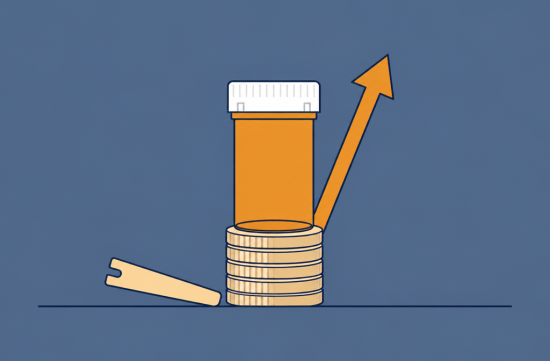
These days, I often hear the same story from the seniors around me. They opened a thick envelope from Medicare and found out that their drug plan premiums are going up next year.
At first, I thought it was just the usual small annual increases. But this time, there's a specific reason behind it.
It's because the Part D Premium Stabilization Demonstration is coming to an end. Today, I'll explain what this is and how it affects my premiums step by step.
This demonstration started in 2025. It was a measure to prevent sudden spikes in standalone drug plan (PDP) premiums due to significant changes in the Part D structure brought about by the Inflation Reduction Act.
In the first year, the government directly subsidized the basic premium by $15 per month. They also capped the annual premium increase for each plan to no more than $35.
Originally, it was a three-year plan. However, CMS announced last July that it would end a year early, in 2026.
According to CMS, insurance companies have operated under the new system for two years, so they believe they can set premiums without subsidies now.
There were also cost concerns. The Government Accountability Office (GAO) estimated that the funding for this program would exceed $9.8 billion over the two years of 2025 and 2026.
So how much will premiums actually increase? According to CMS, the average monthly PDP premium will rise from $35.09 in 2026 to $36 in 2027.
For reference, the base beneficiary premium for 2027, which is the standard used for calculating premiums, has been set at $41.33. Premiums will vary above and below this baseline.
On average, it seems like just a $1 increase, which doesn't sound like much. But as is often the case with averages, there's a catch.
According to KFF analysis, 28% of PDP enrollees who do not receive Extra Help, which is about 4 million people, were using $0 premium plans in 2026.
The problem is that in 2027, there will be no $0 PDP plans available for those who do not qualify for Extra Help. These individuals will incur premiums whether they keep their plan or switch.
The number of plans available to choose from has also decreased. KFF found that the average number of PDP options available to each enrollee has dropped from 11 to 9. This marks a decline for four consecutive years.
There are also changes in other numbers besides premiums. The basic deductible for Part D will increase from $615 to $700 in 2027.
On the other hand, the out-of-pocket cap will rise from $2,100 to $2,400. Once you exceed this amount, you won't have to pay for any more drug costs for the remainder of the year.
I believe the cap system itself is a well-designed policy. For those taking expensive medications, it can be a lifesaver.
However, to maintain that cap, someone ultimately has to bear the costs. It's important to understand that when the subsidies are removed, that burden shifts to premiums.
Honestly, I find this decision a bit disappointing. For retirees living on fixed incomes, a few dollars or even tens of dollars a month is not a small amount.
There's also opposition in Congress. In September, a bill (Affordable Premiums for Seniors Act) was introduced to extend the demonstration until 2029.
However, it hasn't passed yet. Rather than waiting for the bill to pass, it's more realistic to take care of what you can do now.
The most important thing is the open enrollment period. The period for choosing a 2027 plan is from October 15 to December 7, 2026.
The first thing to do is to pull out the Annual Notice of Change (ANOC) sent by your plan. Check the premium, deductible, and what tier your medications have changed to.
The second step is to enter all your current medications into the plan finder on Medicare.gov. Don't just look at premiums; compare the total annual costs, including deductibles and drug prices. Sometimes, a cheaper plan may actually be more expensive for your medications.
The third step is to check your eligibility for Extra Help. If your income and assets are below the thresholds, your premium and drug cost burden will significantly decrease.
If you find it difficult to do this alone, consider using the SHIP counseling in Nevada. It's a public program that helps with plan comparisons for free, and you can also call 1-800-MEDICARE.
KFF pointed out that many enrollees do not compare or change plans during open enrollment. Just because a plan was good last year doesn't guarantee it will be good this year.
Of course, the right choice varies depending on the type of medication, health status, and income. Since it differs by individual circumstances, be sure to consult with an expert before making a final decision.
If it were me, I would organize my medication list this week and run it through the plan finder. December 7 will come faster than you think.
While the government certainly has a role in welfare, I need to know my rights to protect them. Make sure to check your parents' plans this time as well.
 goldenriverwalker1918


 orvian89 |

 looksee 78 |

 vivavida |
 MEDBIO American Doctor Blog |

 Burbank Lee |

 bibigoo |

 vegas mom |

 celion78 |

 memorabilia |

 zanero |
 See It |
 H Leader |
 Carolina border |
 xylora |
 linex |
 Victory 1988 |
 washington mom |
 Deep South Mississippi |
 moomoon |
 hexora |
 jammybear |
 chiobase |
 jondol |
 US Regional Information Blog |
 tredolo |
 panda express |
 luido |
 norazoo |
 Oz's Wow Company |