

As a parent of a high school student, bringing up the topic of rising college tuition often leads to sighs.
I, too, am feeling the reality as I gather information for my child's upcoming college journey.
Looking at the 2025-2026 academic year, college tuition in the U.S. varies significantly by type of school.
For public universities, in-state residents pay about $11,011 per year, while out-of-state residents and international students can face costs ranging from $24,000 to over $48,000. For example, at UCLA, out-of-state tuition exceeds $48,000. When you add in room and board, textbooks, and other expenses, the actual financial burden is much greater.
Private universities in the U.S. average around $43,000, and some prestigious schools like Ivy League institutions can expect costs between $60,000 and $90,000 or more. In contrast, community colleges have an average cost of about $3,564, making them relatively more affordable. This is why many students prefer to start at community colleges and then transfer to four-year institutions.
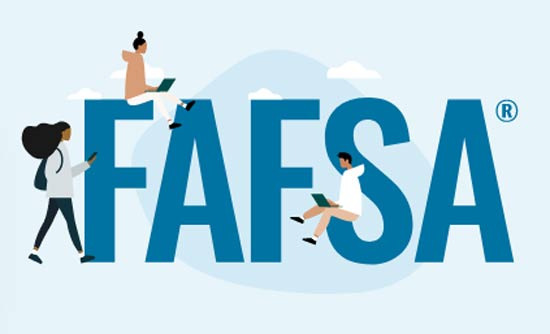
In this context of rising tuition, the first thing parents should focus on is FAFSA.
FAFSA stands for Free Application for Federal Student Aid, which is a form that the federal government uses to assess a student's financial situation and determine eligibility for financial aid. It is available to U.S. citizens, permanent residents, and some eligible non-citizens. Generally, F1 international students are not eligible for federal aid.
The FAFSA for the 2025-2026 academic year typically opens around October 1.
However, due to recent system changes, the schedule may vary, so it's essential to check the official Federal Student Aid website. The federal deadline is June 30, 2026, but realistically, it's safer to submit it before then, as state and college deadlines are often much earlier. The biggest lesson for parents is that acting quickly can save money.
There are three main types of aid available through FAFSA.
The first is Grants!
These are essentially free financial aid. A notable example is the Pell Grant, which is awarded based on income level.
The second is federal student loans.
These typically have lower interest rates and more flexible repayment terms than private loans. Direct Loans are student loans, but the annual limit for first-year students is relatively low, often insufficient to cover the entire tuition.
On the other hand, the Parent PLUS Loan is a federal loan applied for in the parent's name. In this case, the responsibility for repayment is clear: the parents are legally responsible. If the student does not graduate or delays employment, the parents must repay the loan. Credit checks are also conducted based on the parent's credit history. Many families find themselves burdened later because they were unaware of this aspect when applying.
In practice, it's common to use both types of loans together. Therefore, for parents, it's crucial to first confirm "who is legally responsible" rather than just knowing that "loans are available." Each family may have different judgments on whether it's a good choice to incur excessive debt before the child even steps into society or if it's appropriate for the parents to take on some responsibility.
The third is the Work-Study program, which allows students to work on or off-campus to help cover some of their tuition costs.
This not only provides income but also gives the child an opportunity to gain social experience.
International students cannot apply for FAFSA, but they can seek financial aid through university-specific scholarships, merit-based scholarships, and the CSS Profile required by some private colleges.
Finally, I want to emphasize that FAFSA must be applied for free on the official website.
There's no need for paid services that charge fees. As a parent, I realize that information is power. Instead of being intimidated by the numbers of tuition, understanding the system and preparing according to the timeline can definitely help reduce the burden.
College is a dream for the child, but the preparation is also the responsibility of the parents. So today, I am calmly preparing while checking the deadlines.







 Magic Cabbage School of Martial Arts |
 Vacation on Hawaii |
 morvex37 |
 Ari Songhan American Immigration Life |
 Bearded Strawberry Smoothie |
 Round and Round Children's Song Kingdom |

 Anna Life |
 Lifestyle Information Search USA |
 U.S. Weather Bureau News |
  yentra |
  Make My Day |
  Victory 1988 |
  Tonky |
  viroma |
  cookie |
  Live and that's it |
  Alright Twain |
  eatontown blog |
  HAWAII Korean Church News |
  Amore |
  linex |
  Balancework |
  laro90 |
  MEDBIO American Doctor Blog |
  SWAT TEAM BLK |
  DREAM BIG |
  frostbite |
  330 Forever My Love |
  El Dorado |