


When heading to a place like Tucson, Arizona, with its unique desert climate, it's essential to be aware of the specific health risks associated with the environment.
While it can be surprising to encounter these risks unexpectedly, knowing the facts and preparing can help ensure safety. Here are the top three health concerns to keep in mind in Tucson.
The first significant risk is the 'Scorpion.' The 'Arizona Bark Scorpion,' commonly found in the Tucson area, is classified as the most venomous scorpion in North America. It is small, measuring about 2 to 3 inches, and has a translucent yellowish body, making it hard to spot.
This scorpion has a habit of climbing walls and hiding in narrow crevices, which can lead to encounters in dark shoes, towels in closets, or between bedding. Bites can cause severe pain, akin to being stung by a needle, and may result in numbness or vomiting. For vulnerable individuals, such as children or the elderly, it can be fatal. If you live in Tucson, make it a habit to shake out your shoes before putting them on in the morning.
The second concern is 'Valley Fever,' a disease endemic to desert regions. Known scientifically as Coccidioidomycosis, this illness occurs when fungal spores, dormant in desert soil, become airborne due to dry winds or dust from construction sites, and are inhaled by people. Its symptoms resemble those of a common cold or mild pneumonia, making it easy to miss the treatment window if only over-the-counter cold medicine is taken.
Most cases resolve naturally, but some individuals with weakened immune systems or underlying health conditions may experience lung damage or systemic infections. On dusty days, wearing a mask is advisable, and if you experience unexplained coughing and fever after moving to Tucson, it's crucial to inform healthcare providers that you reside in the Arizona desert to receive the appropriate antifungal prescription.
Lastly, many newcomers are unexpectedly troubled by 'pollen allergies.' Although Tucson is a desert, the olive trees, Bermuda grass, and various native desert weeds planted for urban landscaping release significant amounts of allergens.
As a result, during spring (February to May) and fall (September to November), there is a surge in patients experiencing severe sneezing, runny noses, and dry eyes. Even those who had no allergy symptoms in Korea or other parts of the U.S. may develop new allergies when exposed to desert plants. Therefore, it's wise to stock up on allergy medications before moving or to promptly consult an allergy specialist for appropriate prescriptions if symptoms arise.
 Rainbow88
 GloomyMonday







 Dragon Lee |
 Churros Train Conductor |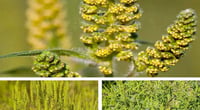
 Tora Tora |
 neroyo |
 nivex85 |
 Arizona Cowboy |

 Project Tomorrow |

 AZ Road Master |
  Swift Falcon |
  venture |
  SPAM 101 |
  choi family |
  zoryan |
  cloud0 |
  SKy Face |
  wonder |
  productionblog |
  What can make money? |
  Oklahoma Hoya OK |
  prixon74 |
  Roman Pan |
  USALATU BLOG |
  Sunshine Blog |
  Minnesota Small Business |
  Strawberry Pancake Warrior |
  amolayo |
  korvon |