
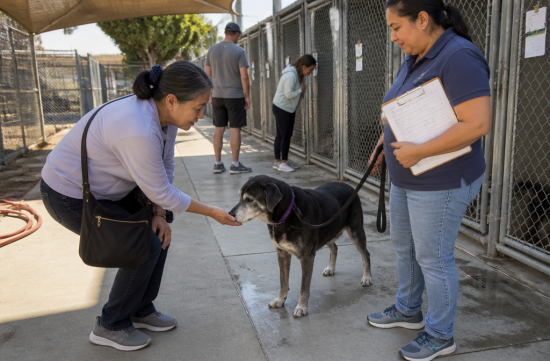
If you're thinking about getting a dog after retirement, make sure to crunch the numbers before signing the adoption papers. Love alone won't sustain over a decade of care.
I've been hearing similar stories from people around me lately. After raising their kids, they want to bring home a dog or cat because the house feels too quiet.
I completely understand that feeling. The comfort that pets provide is real.
But let me explain why planning is essential. After retirement, your income becomes fixed, but veterinary costs for animals are not.
According to estimates from ASPCA introduced by AARP, the first year of bringing home a dog or cat can cost between $1,100 and $3,200. This amount includes expenses for spaying/neutering, supplies, food, and training.
I was a bit shocked when I first saw this number. For someone living on Social Security, that's certainly not a small amount.
Moreover, the first year is just the beginning. Food and preventive care costs recur monthly, and older animals tend to require more veterinary visits.
Many people misunderstand one thing here. Medicare is a health insurance for people, so it does not cover any veterinary expenses.
Vaccinations, dental treatments, and blood tests all have to be paid out of pocket. Older animals may need these tests several times a year.
So, you need to set aside a completely separate budget for pet medical expenses. If I were you, I would create a small emergency fund account for pets separate from my living expenses account.
Pet insurance is also worth looking into. Simply put, it's a product that shares unexpected surgery costs, similar to human health insurance, but you need to enroll while your pet is healthy to get better terms.
However, pre-existing conditions are usually excluded from coverage. Be sure to read the exclusions in the policy before signing up.
Next to money, you must also consider your own health. I have to mention this, even if it's not pleasant to hear.
According to a report from the CDC in 2009, from 2001 to 2006, an average of 86,629 people visited the emergency room each year due to falls related to dogs and cats in the U.S. Of those, 88% were dog-related incidents.
The same report indicated that the injury rate nearly doubled for those aged 75 and older. It's common to trip over a leash while walking or to stumble over a cat that was at your feet.
That said, I'm not saying you shouldn't have pets. Just like choosing a calm adult dog or cat over a strong large breed, pick an animal that matches your physical capabilities.
That's why I would recommend adopting an older animal from a shelter rather than a young puppy. Their personalities are already developed, so you can see if they fit into your lifestyle.
In the past, the LA County Animal Shelter has offered discounts on adoption fees for senior animals to adopters over 60. These events vary by season, so be sure to check the county animal shelter's website or call to see if any are currently happening.
Also, think ahead about your travel plans. If you're going to visit your grandchildren in Korea or another state and have no one to take care of your pet, you'll incur additional costs for pet sitters or boarding.
Now, I'm going to discuss the most difficult topic. If I get sick or pass away, who will take care of this pet?
Some animals that enter shelters have lost their homes because their owners were hospitalized or passed away. Without a plan, that love can ultimately turn into pain for the animal.
In California, there is a system called a pet trust. Section 15212 of the Probate Code legally recognizes trusts for animal care.
Simply put, it's a document that specifies who will take care of your pet and the costs involved when you are no longer around. You can also designate someone to ensure the money is used properly.
If a trust feels too burdensome, at the very least, make arrangements with family or neighbors to care for your pet and write it down. Keeping an emergency contact card in your wallet is also a good idea.
However, issues like trusts and wills vary based on personal circumstances, so be sure to consult with a professional. The right approach can differ depending on your assets and family relationships.
I also feel it's unfortunate to place this issue solely on individual responsibility. I believe there should be more support, like affordable veterinary clinics or food sharing programs for low-income seniors, in every community.
Since pets alleviating loneliness ultimately contributes to the health of the entire community, it would be great if churches or Korean organizations could share this information more widely.
In summary, the steps are simple. Set a budget, choose an animal that fits your physical capabilities, and make a plan for when you're not around.
If you take care of these three things first, your retirement life with a pet will be much more secure. Planning is not about reducing love; it's about ensuring that love lasts.
If you're considering adoption, take out a notebook this weekend and start writing down a monthly budget. That will be the first gift you can give to that pet.
 PaleKidMemo








 Burbank Lee |
 vibranto |
 sparkling |
 oh my salami |
 saffronroute |
  productionblog |
 Big North |
 U.S. Military Recruitment Information |

 Healthy Local Fresh Information |
  Dragon Lee |
  What can make money? |
  Oklahoma Hoya OK |
  prixon74 |
  Roman Pan |
  USALATU BLOG |
  Sunshine Blog |
  Minnesota Small Business |
  Strawberry Pancake Warrior |
  amolayo |
  korvon |
  Que Buena |
  virexo |
  silverpath |
  Komet Park |
  reliable |
  vexo90 |
  As Always Today |
  veltar87 |