
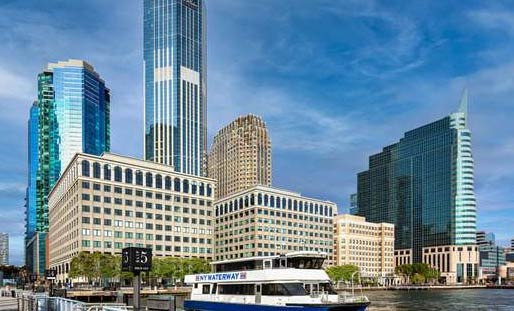
Jersey City, NJ, facing Manhattan across the Hudson River, is one of the fastest transforming cities in New Jersey over the past 20 years.
According to the Census ACS 2023, the median household income is about $85,000 annually, which is approximately 8% higher than the national median ($78,538). While this is a simple number, it serves as a starting point to understand the complex dual structure of this city.
The figure of $85,000 conceals the extreme income disparity within Jersey City. Households in new condos, particularly in the Powerhouse Arts District or around Grove Street, often have annual incomes exceeding $120,000 to $200,000. In contrast, traditional residential areas in northern Jersey City tend to have households earning between $40,000 and $50,000. The median of $85,000 should be understood as an average of these two extremes.
The reason Jersey City attracts high-income commuters is simple. With NJ Transit light rail and PATH trains, it takes only 15 to 20 minutes to reach Manhattan, while rents are 20 to 30% lower compared to similar conditions in Manhattan or Brooklyn. One of the most noticeable changes I have observed over the decades is the influx of young professionals chasing this price difference.
In terms of the housing market, Jersey City has already reached a significant price level. The median price for condos is around $500,000 to $650,000, and townhouses or single-family homes often exceed $700,000. For households earning $85,000, the ratio of housing prices to income is about 6 to 8 times, which is considerably high compared to the national average.
The industrial structure of Jersey City is also linked to income levels. There is a high proportion of workers in financial services, technology, and healthcare, particularly in office parks along the Hudson River waterfront, where many large institutions responsible for financial back-office functions are located. This employment base is analyzed to contribute to maintaining local income levels above the national average.
From the perspective of the Korean community, Jersey City functions as a living area connected to nearby Korean-populated regions like Palisades Park and Fort Lee. There is a growing trend of Korean restaurants and businesses in downtown Jersey City. Some long-term Korean residents are increasingly holding real estate in Jersey City for rental income purposes.
Jersey City is a city with a market structure that is more complex than what the $85,000 median income suggests. The premium of accessibility to Manhattan is driving up real estate prices, and this phenomenon seems likely to continue for the time being.
With an income slightly above the national average, but housing prices rising much faster, Jersey City will long be remembered as a case that illustrates the market dynamics created by this gap.
 BasilaHouse
 RunWhatcha





 neapolis |

 moo moo |

 ultron78 |
 garlic bread |
 Sugar Cream Door Bulletproof Noodles |
 Living in New Jersey blog |

 loverun |

 Soft Feeling That Feeling |

 Jersey City |
 hoosierdaddy |
 Blondee |
 some fame |
 rapidfire |
 walnutbo |
 Shinbaram Dr. Blog |
 breaddough |
 Michigan Enthusiast |
 Only Dentalbay |
 postcard |
 Buckwheat Muktudari Notebook |
 Kitchen Ideas |
 Jellia Angel |
 Victory 1988 |
 Rice Shop Uncle BLOG |
 ASURA |
 hot chocolate |
 rapids |
 Softember |
 mykiwi blog |
 Maria Mom |