

From my perspective of observing the Korean real estate market for decades, it is rare to find a place that has changed as dramatically in such a short time as Jersey City. It was hard to predict that an area once dominated by warehouses would transform to this extent.
In the 1990s, the downtown Jersey City waterfront was lined with warehouses and factories, but it has now completely transformed into a high-rise condo complex facing the Manhattan skyline. The Exchange Place and Paulus Hook areas are currently seeing median condo prices ranging from $800,000 to $950,000. It's noteworthy that many finance professionals choose this area to reduce their commuting time.
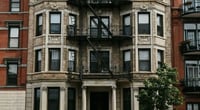
The Hamilton Park and Van Vorst Park historic districts are known for their brownstone townhouses, with median prices reaching $1 million to $1.3 million. The blend of preserved 19th-century architectural styles with parks continues to attract young professional families. On weekends, the sight of residents leisurely spending time in the parks reflects the lifestyle of this area.
Recently highlighted is the 99 Hudson, known as the tallest residential tower in Jersey City. It has been reported that units on the top floors of the skyline are selling for well over $2 million, and this type of high-rise development is contributing to an overall increase in Jersey City's price range. Each time a new tower is built, the prices of existing nearby complexes are also reassessed.
The gap between the general residential areas on the outskirts of Jersey City and the top-tier waterfront areas can sometimes exceed three times. Even within the same city, prices can vary significantly based on waterfront accessibility and whether new developments are present. Given its large area, Jersey City shows much greater variation compared to other towns in Bergen County.
Three main factors are cited for the rapid establishment of this area as an affluent neighborhood. First is the accessibility to Manhattan via the PATH train, second is the ample land available for redevelopment of old port and industrial sites, and third is the relatively low property tax rate compared to New York. Additionally, city-level redevelopment incentive policies have also been a factor in promoting new construction supply.
Among Korean investors and young professionals, there is a consistent trend of eyeing Jersey City waterfront condos, as they can secure relatively larger units while commuting to Wall Street in Manhattan. Investors have noted that rental yields are more favorable compared to Manhattan.
Historic districts like Hamilton Park and Van Vorst Park are preferred by families looking to maintain stable asset values. The limited supply compared to new towers is seen as a factor of scarcity.
However, new towers often come with increased management fees and property tax burdens, making it essential to carefully consider total ownership costs before purchasing. It's also important to check the applicability and expiration of tax abatement programs.
 SunrayMaker
 MorningPeak73






 |
| 
 Premium Gas Camp |
 CA Real Estate |
 cheesepup |
 breezem |
 Jersey City |
 quiet river |
 Living in New Jersey blog |
 coffeee |
 liquid asset |
  Who's watching? |
  eclipse |
  quietwave |
  Hajiwon Blog Hair Salon |
  hoosierdaddy |
  saffronroute |
  korvex93 |
  Mini Mee |
  Darnignac |
  vanilla |
  selvon |
  brownie |
  Star Blog |
  The Day the Sun Rises |
  sweetpop |
  California Kangaroo |
  zanero |
  station |
  Static |