
Last night, while folding my telescope in the backyard, I suddenly remembered the Medicare guidebook that was stuck in my mailbox. The constellations return to the same positions every year, but the rules for drug prices shift slightly each year.
I often hear adults around me worrying about drug prices, so I couldn't just let this year pass by. Therefore, I looked up what changes are coming to Medicare Part D in 2027 based on the official announcements from CMS.
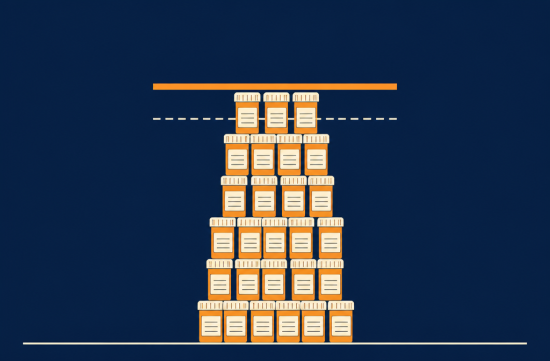
Let me start with the biggest number. The annual out-of-pocket maximum for Part D in 2027 has been set at $2,400.
Since the maximum for 2026 was $2,100, that's an increase of $300. In percentage terms, that's just over a 14% increase.
This maximum was confirmed by CMS in the final announcement of the 2027 rates on April 6, 2026, and the same number was reconfirmed in the announcement at the end of July.
Many people are confused about what a maximum means, so let me summarize briefly. If the amount you pay out of pocket for prescription drugs reaches this limit within a year, your out-of-pocket costs for covered drugs for the rest of the year will be $0.
This mechanism was first introduced in 2025, and before that, there was no such ceiling at all. For those who need to take expensive medications regularly, it served as a reference point, like the North Star appearing in the night sky for the first time.
The second change is regarding deductibles. In 2027, no Part D plan can set a deductible higher than $700.
Since the maximum for 2026 was $615, that's an increase of $85. Some plans have a deductible of $0, so remember that this number is just a ceiling.
After meeting the deductible, you will pay 25% of the drug costs as coinsurance based on standard criteria. Once your out-of-pocket costs reach $2,400, your financial burden disappears from that point onward.
The term "donut hole" that we used to hear often is now rarely used. The coverage gap has already been eliminated, and the process has been simplified into three stages: deductible, initial coverage, and catastrophic coverage.
So, who will feel the most impact? Those who are close to the maximum, meaning individuals who regularly take high-cost medications or multiple prescriptions.
These individuals may enter the $0 cost zone a few months later than in 2026. The amount they spend at the beginning of the year may also increase slightly.
On the other hand, if your drug costs are only a few hundred dollars a year, the change in the maximum may not be significant. For those individuals, it's better to pay closer attention to the deductible and monthly premiums.
We can't overlook the discussion about premiums either. The basic beneficiary premium for 2027, announced by CMS on July 28, is $41.33 per month.
This is a baseline for calculations, and the actual amount paid varies by plan. CMS predicts that the average monthly premium for standalone Part D plans will rise from $35.09 in 2026 to about $36 in 2027, an increase of less than $1.
However, there is one concern here. The Part D premium stabilization demonstration project, which has been suppressing premium spikes since 2025, will end after 2026.
This means that while the average may look similar, individual plans could fluctuate more significantly. You must check how much your current plan will change next year.
Some things will remain unchanged. The Medicare Prescription Payment Plan will continue in 2027.
This allows you to pay for medications in installments over the year instead of paying a large sum at the pharmacy all at once. While the total amount doesn't decrease, it provides relief for those who need to pay for expensive medications at the beginning of the year.
For insulin products covered under Part D, the $35 monthly out-of-pocket maximum will still apply. This is true even if you haven't met your deductible.
So, what should you do now? The Medicare annual enrollment period is from October 15 to December 7.
During this time, use the plan comparison tool on Medicare.gov to enter the names and dosages of your medications and your frequently visited pharmacies. This will show you the estimated total costs for 2027 by plan.
This is why you shouldn't choose based solely on premiums. The total annual cost can vary significantly depending on whether your medications are on that plan's formulary and what tier they are in.
Don't just throw away the annual change notice that your current plan sends around the end of September. It will indicate whether your medications will be excluded or if their tiers will change next year.
If I were you, I would first organize a list of my medications this fall and then start comparing plans based on that list. Seeing the numbers directly can bring a lot of calm.
However, don't make decisions about adjusting medications or changing prescriptions on your own; be sure to consult with a doctor or pharmacist. Changing medications due to cost is something that requires more careful consideration than you might think.
While the news of the maximum increase isn't exactly welcome, the fact that there is still a ceiling is reassuring. Even if the stars shift slightly each year, we don't lose our way because we know our reference points.
If the night is clear again tonight, I plan to take out my telescope once more. But first, I need to take another look at that guidebook in my mailbox.
 AcornQueen


 nixxon |
 LIZ Legal Information Blog |
 Karina's Blog |
 Jimbeam 88 |
 Taco Bell Candy Note Blog |
 Belgray Miscellany |
 intact |
 namico |

 Delicious Food Finder |
 station |
  Static |
  Star Way |
  American Blog Forge |
  MMORPG Games |
  Then you must be spring |
  Spicy Immigration Life |
  zenvor16 |
  The 2000 |
  toclick |
  wexlin84 |
  Hairy Poppins |
  daisypat |
  MintO |
  My Town My Way Blog |
  New Mexico Friends MAX |
  Hajiwon Blog Hair Salon |
  Wicked - Fireyo |
  Seattle - Emerald City |