
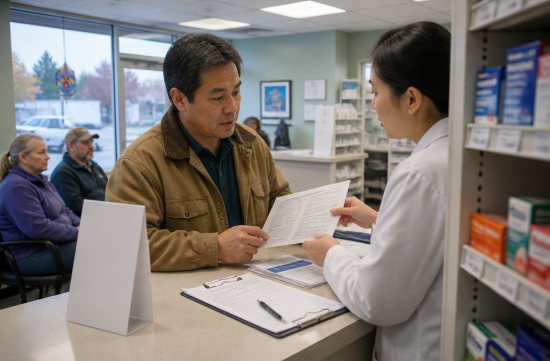
Recently, while I was at the local pharmacy getting a flu shot, I noticed a notice on the wall. It stated that the pneumococcal vaccine is recommended for those over 50.
I had thought that this vaccine was only for those over 65. It turns out the guidelines have changed nearly two years ago.
A friend in their 50s who was waiting in line with me was surprised to hear this for the first time. So, I decided to look up the CDC's information and summarize it.
The change starts in October 2024. The Advisory Committee on Immunization Practices (ACIP) under the CDC voted 14 to 1 to lower the recommended age for the pneumococcal vaccine from 65 to 50.
On October 23, 2024, the CDC director officially approved this recommendation. From that point on, adults over 50 are eligible for vaccination based solely on age.
Previously, adults aged 50 to 64 needed to have risk factors such as diabetes, chronic lung disease, or smoking to be recommended for vaccination. Now, those conditions are no longer required.
Why is pneumococcus such a concerning bacterium? Its name might make one think only of pneumonia, but the CDC explains that it can also cause meningitis and bloodstream infections.
As we age, the risk of severe infections increases. The CDC has stated that they lowered the age so that more people can prepare in advance as the risk of infection significantly rises.
Another notable point is the disparity issue. The incidence of pneumococcal disease is higher among Black, American Indian, and Alaska Native populations, and they tend to contract it at an earlier age.
Checking each risk factor has led to many people being overlooked in practice. By simplifying the age criteria, it is expected that doctors will find it easier to recommend the vaccine, thus increasing vaccination rates.
So, who exactly should get vaccinated? The key is adults over 50 who have never received the pneumococcal conjugate vaccine (PCV).
In this case, there are two main options. One option is to receive either PCV20 or PCV21 just once.
The other option is to first receive PCV15 and then, one year later, get another shot of the polysaccharide vaccine called PPSV23. This requires two visits, which can be a bit cumbersome.
PCV21 is marketed as Merck's Capvaxive, and PCV20 is known as Pfizer's Prevnar 20. ACIP recommends both products equally.
The numbers refer to the number of serotypes that the vaccine protects against. Merck has announced that PCV21 covers about 84% of the serotypes causing invasive pneumococcal disease in those over 50, while PCV20 covers about 52%.
However, it should be noted that these figures are based on manufacturer announcements. Ultimately, which vaccine is right for me will be determined in a clinical setting.
For those who have already received the pneumococcal vaccine in the past, the situation can be a bit complicated. The need for additional doses depends on what and when they were vaccinated.
For example, if someone has only received PPSV23, they are advised to get either PCV15, PCV20, or PCV21 at least one year after their last shot.
If they have only received the previous PCV13, it is recommended to get either PCV20 or PCV21 once. Those who have received both vaccines will have different recommendations based on timing and age.
So, the first thing to do is check my vaccination records. You can find this information in your primary care physician's records, pharmacy records, or your state's immunization registry.
Being under 50 does not automatically exclude someone from eligibility. Even those aged 19 to 49 with chronic conditions or immunocompromised status are still eligible for vaccination as before.
The criteria for risk factors have not changed in this revision. Only the age criteria for those over 50 has been updated.
You might be wondering about the costs. Generally, ACIP-recommended vaccines are covered as preventive services by most insurance plans, but conditions may vary, so it's safe to check with your insurance or pharmacy before getting vaccinated.
Many people also ask if they can get the flu or COVID-19 vaccine on the same day. These details can vary based on medications being taken or health status, so be sure to consult with a doctor or pharmacist.
I thought I was taking good care of my health since I often hike, but I had actually missed this change in guidelines. It seems that health information, like trail maps, needs to be checked for updates occasionally.
Especially in areas with long winters and harsh winds, the respiratory illness season arrives quickly. If you put it off because you're busy, a year can just pass by.
If it were me, I would recommend that if you have family or friends over 50, when they go for their flu shot this fall, just ask if they should also get the pneumococcal vaccine.
The guidelines have already changed, but surprisingly few people know about it. I hope this article encourages someone to ask that important question.
 DakotaThanx



 LIZ Legal Information Blog |
 Karina's Blog |
 Jimbeam 88 |
 Taco Bell Candy Note Blog |
 Splendid Mission |
 FROM Wyoming |
 logger |

 MAX009 BLOG |
 yenne |
 Real Estate |
  Cap Com |
  nixxon |
  kevin Kim |
  beerdreamer |
  Kims Spring |
  White bunny |
  Kansas City Representative Singer |
  shadow 007 |
  sun walker |
  Choco Choco Star |
  midnight blue |
  honeypot |
  summer |
  adventure77 |
  flexible |
  Shintongbangtong Shin Naerin James Park |
  truepixel |
  Kathy's Blog |
  Hae Naem |
  quatspace |