
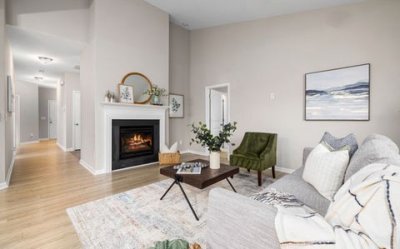
Brooklyn properties vary significantly in price depending on the type. This is based on a 12-month period ending March 2026. The median for single-family homes is $950,000. Co-ops are $460,000. Condos are $1,100,000. Two-family homes are $1,200,000. According to PropertyShark, it is notable that condos are actually more expensive than single-family homes.
The reason is simple. Many Brooklyn condos are either newly built or have been remodeled. In contrast, single-family homes and co-ops tend to be older buildings. The age of the building significantly affects the price, in addition to the type.
Areas like Park Slope, Cobble Hill, Brooklyn Heights, Boerum Hill, and Carroll Gardens are also worth considering. This is a neighborhood dense with low houses that are close to townhomes. As of spring 2026, the transaction prices range from $1,400,000 to $3,000,000. Well-restored single-family homes can exceed $4,000,000, according to real estate agent reports.
The structural differences among the three types also need to be addressed. Single-family homes have sole ownership of the land. Maintenance is the owner's responsibility. Townhomes or low houses share walls. The exterior and common areas are managed by the association or HOA. Condos only own the unit. Building management is entirely the responsibility of the management association, which results in higher common charges.
New York City condo common charges range from $400 to $1,500 per month. Co-op maintenance fees range from $600 to $2,000 per month. Co-op fees include property taxes and building loan repayments, making direct comparisons difficult. The actual burden should be assessed by combining maintenance fees and property taxes.
Neighborhoods like Williamsburg and Bushwick should also be considered. These areas have a concentration of new condos. They have a relatively lower entry threshold compared to the brownstone belt. However, the sense of space is not as good as that of low houses.
Condo loans also require financial scrutiny. If reserves are insufficient, loan approval can become challenging. This aspect should be carefully examined, especially for small new buildings.
If the purpose is investment, rental demand should also be considered. Condos are relatively easy to convert to rentals. Many co-ops have rental restrictions. It is essential to check the building regulations before purchasing.
Rental price cap regulations should also be reviewed. Some older buildings are subject to rent stabilization regulations. If the purchase is for rental purposes, this should be confirmed in advance.
Heating costs also vary by season. Brownstones often have individual heating systems. In condos, heating may be included in the maintenance fees. Each property needs to be checked.
Mortgage pre-approval should be obtained first. Monthly repayment amounts can vary significantly based on interest rates. This helps clarify the budget range.
If the purpose is rental, regulations should also be considered. Co-ops often have rental restrictions. Condos are relatively free in this regard. Brownstones have no building regulations, allowing for unrestricted rentals.
Commuting conditions should also be examined. Subway accessibility varies by neighborhood. If commuting to Manhattan, it is crucial to check the distance to the station.
Korean families looking at school districts often consider single-family home areas in Ditmas Park or Midwood. However, school district boundaries frequently change. While GreatSchools or Niche ratings can be referenced, it is advisable to verify the assigned school before purchasing.
The age of the building should also be considered. Older co-ops may have large repair costs added to the maintenance fees. Recent history of maintenance fee increases should be checked.
Inspections are also essential. Brownstones often have old plumbing and electrical wiring. A professional inspection is necessary before purchase. Special clauses in the contract should also be reviewed, as the closing schedule may vary based on these clauses.
Families coming from other states should familiarize themselves with the co-op ownership structure. There is a board approval process. Financial scrutiny is more stringent than for condos. Sufficient documentation should be prepared in advance.
For investors, brownstone low houses can be assets that target both rental income and capital appreciation. However, the initial purchase price is high. It cannot be assumed that prices will continue to rise. This article does not constitute investment or legal advice. It is recommended to consult with professionals before finalizing any contracts.
 easy go
 UdirTemper







 |
| 
 Premium Gas Camp |
 CA Real Estate |
 cheesepup |
 breezem |
 Franco Family |
 glimmer |
 newyorker 101 |

 La Bean |
  American History This and That |
  Monte Sori |
  U donn |
  Sarah's Blog |
  Holy Cow |
  monster |
  houston mama |
  Reggae Party |
  Thou Thou |
  Tennessee Land |
  custardnew |
  Chimhanbang Korea ACU |
  See South Carolina |
  dorex |
  Taek Jun |
  Choi Cho |
  Anova US Beauty Information |
  whiskerbread |
  Yo Lock Me Up |