
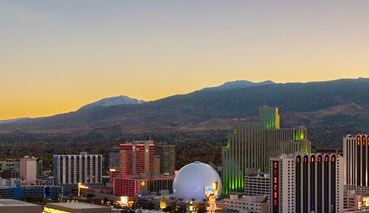
Reno, Nevada is a city that has been gaining more attention among retirees and senior residents in recent years.
Compared to traditional retirement cities like Florida or Arizona, Reno offers a slightly different appeal. Its distinct four seasons, rich natural environment, lower cost of living compared to California, and the absence of state income tax are major advantages. However, considerations such as summer heat, winter snowfall, and health issues related to high-altitude climate should also be taken into account. This article will examine the pros and cons of retirement life in Reno in a balanced manner.
The tax environment is the first factor to consider when thinking about retirement life in Reno. Nevada has no state income tax. This means that retirees do not have to pay state taxes on their primary sources of income after retirement, such as Social Security, 401(k) withdrawals, and pensions. For retirees moving from states like California, which imposes a top state income tax of 13.3%, this difference represents a significant financial advantage. In terms of property tax, Nevada is relatively low, with an effective property tax rate of about 0.5% to 0.6%. However, Nevada's sales tax is somewhat high at about 8.265% (based on Reno), and casino revenue constitutes a large part of the state's finances.
The cost of living and housing environment are also areas of interest for retirees. While Reno's housing costs are still lower compared to San Francisco or Los Angeles, the demand for relocation from California in recent years has significantly increased housing prices. As of 2024, the median home price in the Reno area is around $450,000 to $500,000, a substantial increase from 2015. However, compared to major U.S. cities, it remains relatively affordable, and senior-exclusive communities like Sun City on the outskirts of Reno offer tailored living environments for retirees. The rental market is also active, with a variety of options for senior apartments and condos.
Access to healthcare services is a very important factor for senior residents. As mentioned earlier, Reno has comprehensive healthcare systems like Renown Health and St. Mary's, providing an environment for specialized care related to age-related diseases. Renown Health operates a geriatrics clinic and offers continuity of care for seniors through services like intensive rehabilitation, nursing homes, and home care. Additionally, Reno has several retirement communities and Continuing Care Retirement Communities (CCRC), allowing for a range of choices from independent living to specialized nursing services.
In terms of leisure and social activities, Reno offers a variety of options for seniors. Skiing and hiking in the Lake Tahoe area, walking and biking along the Truckee River, and golf courses around Reno support an active lifestyle. There are also several Senior Centers in Reno, with the most well-known being the facilities operated by Washoe County Senior Services. These centers provide social activities, fitness programs, arts and crafts classes, and meal services. Furthermore, the Osher Lifelong Learning Institute (OLLI) at UNR offers non-degree educational programs for adults over 50, which are popular among seniors seeking intellectual stimulation.
Key challenges of retirement life in Reno include climate and altitude. Reno's elevation is about 1,372 meters (4,505 feet), and those not accustomed to high-altitude climates may need time to adjust. Especially for individuals with heart or lung conditions, it is advisable to consult a doctor before making a decision. In summer, temperatures can exceed 95 degrees Fahrenheit, and in winter, heavy snowfall can make travel difficult. The public transportation infrastructure is somewhat limited compared to a car-centric city, which is a consideration for seniors who may not be able to drive. Nevertheless, when evaluating the natural environment, tax benefits, and healthcare infrastructure, Reno remains an attractive option for those seeking an active retirement lifestyle.
 MarshmelKing
 PhysMaster
 MagicStone93


 MEDBIO American Doctor Blog |
 Burbank Lee |
 vibranto |
 sparkling |
 oh my salami |
 zoryan |
 elion |
 Nevada Teppanyaki |
 Two LaLa World |
  Fragile Me |
  Rowland Mama |
  foxtree |
  bayaa |
  loveyom |
  Coastal city |
  Spaghetti Flying Religion |
  My Town My Way Blog |
  holy cow |
  endone |
  starline |
  Where is a really nice neighborhood? |
  Real Estate |
  Forest Gump |
  Real Estate Investment Korean American |
  Dollydori, Lover of Movies |
  dmzline |
  travelo |
  American Food Information & Calories |
  Splendid Mission |