
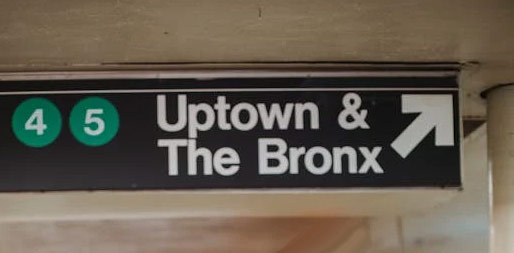
Uptown New York refers to the area located north of Manhattan, often encompassing a broad range that includes the northern parts of Manhattan.
Upper Manhattan in New York City primarily consists of Harlem, the Upper West Side, the Upper East Side, and areas further north. Each neighborhood has its unique characteristics and history, representing an important part of New York's diverse culture.
Upper West Side
The Upper West Side is a residential area located west of Central Park. It is known for its middle-class and upscale residences and is recognized as a hub for music, arts, and education. Additionally, the Upper West Side is close to Columbia University, providing an educational atmosphere along with various cultural experiences such as musical performances, opera, and museums.
- Notable Attractions:
- Lincoln Center: A world-renowned performing arts center hosting opera, ballet, and classical music performances.
- American Museum of Natural History: A globally famous natural history museum offering various exhibitions and educational programs.
Upper East Side
The Upper East Side is an upscale residential area located east of Central Park, famous for being one of the wealthiest neighborhoods in New York. It is home to many affluent families and is densely populated with high-end shopping areas and art galleries. The Upper East Side also embodies an aristocratic atmosphere and traditional upscale culture.
- Notable Attractions:
- Metropolitan Museum of Art: One of the largest art museums in the world, boasting an extensive collection of artworks.
- Guggenheim Museum: A uniquely designed building by Frank Lloyd Wright, showcasing modern art.
- Fifth Avenue Shopping District: A line of luxury brands where one can enjoy high-end shopping.
Harlem
Harlem is an important historical and cultural center in Uptown New York, particularly known as the birthplace of African American culture. In the early 20th century, Harlem was the center of the Harlem Renaissance, a cultural movement that played a significant role in jazz, blues, literature, and the arts. Harlem is also a vibrant area where unique food culture and live music performances come together.
- Notable Attractions:
- APAH Museum: A museum representing the culture and history of Harlem.
- Harlem Jazz Clubs: Jazz clubs like Small's and Birch Coffee continue Harlem's jazz tradition.
- Apollo Theater: A historic music venue famous among jazz and blues lovers.
Industry and Transport Areas
Uptown New York also functions as a center for various industries and transportation. For example, industrial hubs like Highbridge and Market Manhattan exist, and it is known for being a transportation hub with many connections to New York's rail system. This area has also developed into an industrial and vibrant region, not just upscale residential areas.
Characteristics and Attractions of Uptown
- Advantages as a Residential Area: Uptown offers a quiet and cozy atmosphere, with the benefit of enjoying nature in areas close to Central Park.
- Cultural Diversity: From Harlem to the Upper West Side, various cultural backgrounds and histories are reflected, allowing each neighborhood to showcase its unique culture and characteristics.
- High Living Costs: Particularly the Upper East Side and Upper West Side are affluent neighborhoods with very high living expenses, popular among the upper class.
Transportation and Accessibility
Uptown is well-connected by subways and buses, making it easy to travel anywhere in New York City. For example, the 1, 2, and 3 subway lines connect the Upper West Side and Upper East Side, while the A, C, and D subway lines connect Harlem and its surrounding areas. Additionally, it is easily accessible by bus and taxi.
Uptown New York is a place where history, culture, and modern elements harmoniously coexist. Reflecting diverse cultural backgrounds and lifestyles, this area plays a crucial role in understanding New York deeply, attracting many people for various reasons to visit or reside here.




 ultron78 |
 garlic bread |
 Sugar Cream Door Bulletproof Noodles |
 urbanmint |
 |
| 
 newyorker 101 |
 Things to Do to Buy a House |
 International Court |
 Lunch and Dinner Mexican Taco |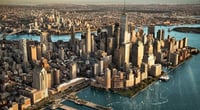
 U.S. Weather Bureau News |
  Korean Mom |
  My NYC |
  moo moo |
  Mr Oh |
  forevergee |
  festival |
  manchester |
  constant |
  Leapfrog Move |
  vibranto |
  Tora Tora |
  yellowbutter |
  Dolly |
  US Embassy |
  NYC saladbar |
  Finding Superfoods |
  lightyear |
  song bang |
  vexomo |
  Indiana Jones |