

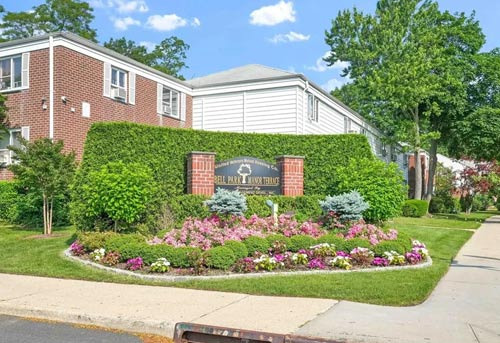
It is one of the largest boroughs of New York City, home to countless immigrants who have settled and created their own cultures. Walking through Queens feels like traveling through multiple countries in just one day.
The history of Queens begins with the indigenous societies before Europeans arrived. The name Queens was given in the 17th century when the British took control of the New York area, and it remained a quiet, agriculture-focused region for a long time. However, in the late 19th century, the expansion of railroads and roads, along with the connection of the subway in the 20th century, marked the beginning of significant urban development. Particularly, the expansion of the Long Island Rail Road and New York subway lines increased the number of commuters to Manhattan, leading to rapid growth in residential and commercial areas.
Today, the reason Queens is famous is undoubtedly its diversity. It is considered one of the most ethnically diverse areas in the world. In Flushing, you can easily see signs in Korean and Chinese, while Astoria reveals traces of Greek culture. Jackson Heights is a melting pot of South American, Indian, and Bangladeshi cultures, and in Richmond Hill and Ozone Park, the Caribbean culture is strongly felt. Even New Yorkers say, "If you want a real world travel experience, go to Queens."
The area most familiar to Koreans is undoubtedly Flushing. This place has grown into one of New York's largest Koreatowns, filled with Korean restaurants, markets, hospitals, schools, real estate offices, and banks. At the same time, a large number of Chinese residents also live here, creating a vibrant Asian atmosphere. With a relatively lower cost of living and convenient transportation compared to Manhattan, it is a preferred area for many immigrants.
In terms of transportation, Queens is a key part of New York. The world-renowned international airports, John F. Kennedy International Airport and LaGuardia Airport, are both located in Queens. Most domestic and international passengers pass through here, and the Long Island Rail Road and numerous subway lines also run through Queens. It is not an exaggeration to call it the gateway to New York.
The natural environment is also surprisingly rich. Flushing Meadows-Corona Park, in particular, is a representative park of Queens and has hosted two World Fairs. The massive Unisphere sculpture in the center of the park is one of New York's iconic landmarks. Additionally, the annual US Open tennis tournament is held here. With Rockaway Beach nearby, it becomes crowded with people looking to surf and enjoy the beach in the summer.
Interestingly, Queens is often described as a part of New York that doesn't feel like New York. Unlike the skyscrapers of Manhattan, many areas consist of single-family homes and low-rise residential neighborhoods. Thanks to the wide roads and relatively spacious living environment, some places resemble suburban cities in the U.S. This makes it a popular choice for those who find Manhattan's hustle and bustle overwhelming but still want to enjoy the opportunities New York offers.
Ultimately, Queens is a place that showcases the real life of New Yorkers rather than just flashy tourist attractions. Various cultures blend naturally, and the foods and languages from around the world coexist, along with international airports, parks, and beaches. If you ask where the future of New York lies, many might look to Queens rather than Manhattan. In that sense, Queens can be seen as a miniature version of New York that continues to grow and change.




 moo moo |
 ultron78 |
 garlic bread |
 Sugar Cream Door Bulletproof Noodles |
 urbanmint |
 Tomato Health Club blog |
 Open Flex Mind |

 Moo Tang Clan |
  DREAM BIG |
  frostbite |
  330 Forever My Love |
  El Dorado |
  dralix58 |
  Gorama Round |
  Skydiving |
  dreamport |
  Yellow Snowman |
  Toaster Pizza Magic Show |
  velvetnom |
  Anytime Journey |
  Mrs. Duluth |
  jaxter |
  Atlanta Mama |
  Baguette Blog |
  Tan Sol |
  US Embassy |
  Korean Mom |
  My NYC |