
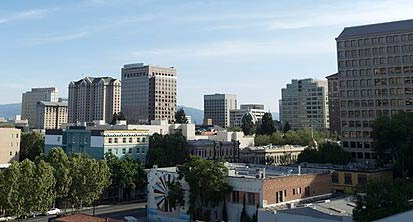
These days, many people are contemplating where to live after retirement, and San Jose is often mentioned as a viable option.
With a strong impression as a city for tech employees, it's not well-known from the perspective of seniors or retirees. After living here and hearing from local seniors, the pros and cons are quite distinct.
First, the climate is a definite advantage for seniors. San Jose maintains an average annual temperature between about 15 and 20 degrees Celsius, and it rarely drops below freezing in winter. The absence of harsh winter cold is a significant benefit for seniors with joint or respiratory issues. There's no need to shovel snow or worry about slipping on icy roads. The mild weather year-round greatly aids in maintaining a healthy retirement.
Healthcare infrastructure is also an important factor for seniors, and San Jose scores well in this area. Major hospitals like Santa Clara Valley Medical Center, Good Samaritan Hospital, and Regional Medical Center are located throughout the city, and there are plenty of specialist clinics and rehabilitation centers. With Stanford Medical Center and UCSF Medical System nearby, seniors can access world-class medical services for complex conditions. Kaiser Permanente's integrated healthcare system is also considered convenient for seniors.
In terms of community infrastructure, there are several senior centers operated by the city of San Jose. The Martinez Community Center and Neighborhood Community Center offer fitness classes, art courses, language education, and social activity programs for seniors. The Korean senior community is also active, providing a strong social network without language barriers.
The biggest downside is undoubtedly the cost of living, especially housing costs. The median home price in San Jose is among the highest in the entire country. Maintaining a home in San Jose on a fixed income after retirement can be a significant burden for many seniors. Renting is similarly challenging, with monthly rents for one-bedroom apartments often exceeding $2,000. If you already own property or have ample retirement funds, it may not be an issue, but for others, housing costs can be quite heavy.
Transportation is another consideration for seniors. San Jose is fundamentally a car-centric city, and losing the ability to drive can impose significant limitations on daily life. While VTA buses and light rail operate, and Caltrain connects the area, public transportation is less convenient compared to Korea or other major cities. Ride-sharing apps like Uber and Lyft are available, but costs can add up over time.
Thanks to California's Prop 13, seniors who already own homes in San Jose can maintain relatively low property tax burdens. California also runs property tax assistance programs for low-income seniors aged 65 and older. In terms of Social Security benefits and Medicare, California has supportive state-level programs that are well-established compared to other states.
In conclusion, San Jose is an attractive city for healthy and active seniors in terms of climate, healthcare, and cultural infrastructure. However, it is essential to have the financial means to handle the high cost of living, particularly housing. For those who already own assets in the area, it can be a decent choice for retirement, but for newcomers considering a move, careful financial planning is crucial.
 WaveLink








 Texas Real Estate Blog |
 zentar |
 seouljung |
 AliAluAlo Blog |
 excel |
 Western US Medical Student Association |

 DOCTOR MED |
 Koreab Date |
 good thinking |
  velaro29 |
  velaro |
  foxtrot83 |
  moname |
  mapleline |
  US Legal Consultation on Trials |
  UNI Lover |
  Karina's Blog |
  California Dreamer |
  Choco Mint Creator |
  Chili Boy Club |
  NE Hodori Preik |
  Giant Squid and Sweet Potato Soup |
  torvik |
  charger |
  holy cheese |
  Pleasant K |
  Rolling Joy Life |
  lidus |
  French Macarons |