
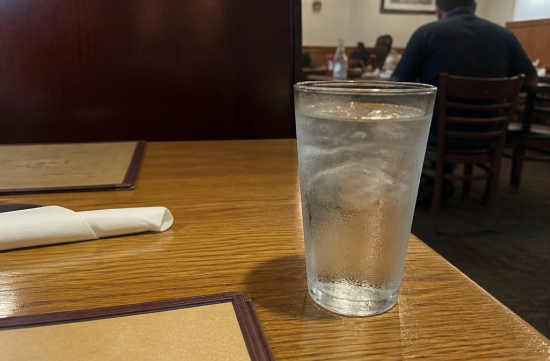
Recently, while having dinner with colleagues, everyone was ordering wine or soda, and I was the only one who said, "Just water for me."
I felt a bit sorry as the server seemed slightly taken aback, but in reality, there's no need to feel awkward about it at all.
In most restaurants in the U.S., tap water is generally provided for free, and it's customary not to charge for it.
However, if you think about why ordering just water feels a bit uncomfortable, the answer lies in the pricing structure of beverages.
A glass of soda at a restaurant typically costs between $2.85 and $4, with industry surveys showing that around $3 is the most common price.
Yet, the cost to make that one glass is only about 5 to 15 cents.
According to various industry analyses, the profit margin exceeds 1000%, which can feel a bit disheartening when you look at the numbers.
Compared to the average food margin of around 300%, it gives you an idea of how lucrative beverages can be.
The situation is similar for coffee. Industry data suggests that the profit margin for a cup of brewed coffee is typically between 70% and 85%.
A latte, when you add up the cost of the beans, milk, and cup, comes to about 85 cents to $1.35. Compared to the selling price, that's also quite a profitable business.
Wine is even more so. Industry standards indicate that it's common to mark up the retail price by 200% to 300%.
A wine that sells for $20 in stores can go for $60 to $80 in a restaurant.
Considering that the overall profit margin for restaurants averages only 3% to 5%, it makes sense why beverages hold such high margins.
Once you understand this structure, it becomes clear that ordering just water is not something to feel guilty about, but rather a rational choice.
If four people dine out and everyone drinks water instead of soda, about $12 can be saved from that meal.
If you eat out four times a month, that adds up to over $500 saved annually.
While the tipping issue might weigh on your mind, you don't have to stick to the standard 20% of the total bill just because you ordered water.
Sometimes, places will suggest bottled water instead, but data shows that the cost to produce it is just a few cents, while the selling price is often three to four times higher.
Since tap water is sufficient, I believe there's no need to order bottled water on top of that.
Industry advice suggests that you should judge based on the level of service you received.
It's also worth noting that just because it's free doesn't mean the quality is low. U.S. tap water is regulated by the EPA under the Safe Drinking Water Act, which manages standards for over 90 contaminants.
Most tap water in restaurants or hotels in major cities meets or exceeds these federal standards, according to industry explanations.
Personally, I find it more reasonable to drink water and save the money rather than habitually ordering drinks I won't even consume, wasting several dollars each time.
The next time you look at a menu, try to think about the cost next to the beverage prices, and it will make your choice much easier.


 Softy |
 Michigan Enthusiast |
 Anna Life |
 JESIKYEOALBA BLOG |
 Dad's Tribute TC |
 solid90 |
 uplifted |


 Pleasant K |
  Rolling Joy Life |
  lidus |
  French Macarons |
  Central Intelligence Agency Deputy Director |
  ATL Power 1 |
  MP Forever |
  Soy Angelino |
  San Jose Pop |
  Pronunciation Yo |
  hamooo |
  Entip |
  Yavrix 92 |
  cherry cherry |
  Coastal city |
  There Are Such Things in the World |
  Mazinger Z Rocket Punch |
  celtics |
  shinee cho |
  Kondae Garusong Blog |