
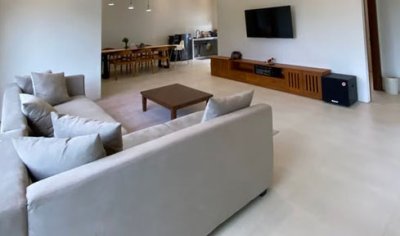
When consulting in Fort Worth, I often meet people who are torn between high-rise apartments in downtown and low-rise complexes in the western suburbs. Although both areas are in Fort Worth, the unit configurations are quite different, so in this article, I will summarize the rental prices and square footage by unit type for these two categories.
Studios have an average rent of $1,075 and an average area of around 520 square feet. Most studios are concentrated in the downtown high-rise complexes, while it is quite difficult to find studios in the western suburbs.
One-bedroom units have an average rent of $1,259 and an average area of 714 square feet. Both downtown and suburban areas have a good supply of this unit type, making it popular among single professionals and newlywed couples.
Two-bedroom units have an average rent of $1,590 and an average area of about 1,049 square feet. Downtown two-bedrooms tend to have better amenities but are generally priced higher, while suburban two-bedrooms often offer more space for the same rent, making them a better option for families.
Three-bedroom units have an average rent of $2,011 and an average area of 1,321 square feet. These are primarily sought after by families with two or more children. It's important to note that there are almost no three-bedroom units available in downtown Fort Worth, as they are mostly found in suburban townhome complexes, which can save you time in your search.
- Studio: about $1,075 / 520 square feet
- One-bedroom: about $1,259 / 714 square feet
- Two-bedroom: about $1,590 / 1,049 square feet
- Three-bedroom: about $2,011 / 1,321 square feet
Comparing the supply trends in both areas, downtown new constructions have a higher proportion of studios and one-bedrooms, while suburban new constructions have a higher proportion of two-bedrooms and three-bedrooms. In simple terms, if you prioritize commuting and amenities, downtown small units are more suitable, while if you value space and school districts, suburban medium to large units are a better fit.
Looking at the rent gap, the increase from a one-bedroom to a two-bedroom is less than the increase from a two-bedroom to a three-bedroom. This is explained by the fact that as you add another room, the area and shared spaces also increase. For Korean families, I would recommend considering a downtown one-bedroom when settling in alone, and for families with children, comparing suburban two-bedrooms or three-bedrooms first. Both options have their pros and cons, so I hope you will visit both areas before making a decision.
 LurkerUser
 BingsuShow







 moo moo |
 ultron78 |
 garlic bread |

 urbanmint |
 horse |
 jaxter |
 MBTI Detective Agency |
 Coco Chanel |
 mariashin |
  Texas Migration Story |
  Scade Studio |
  love ya |
  biscuit90 |
  chicpo |
  Helpful Life Stories |
  Kitchen Ideas |
  Diana Blues |
  Agenda Center |
  Community Cross |
  journey |
  heeve |
  leman |
  corner kick |
  treasure |
  strawberry |
  Augusta Univ |
  B.I.G. Victor |
  Victory 1988 |