

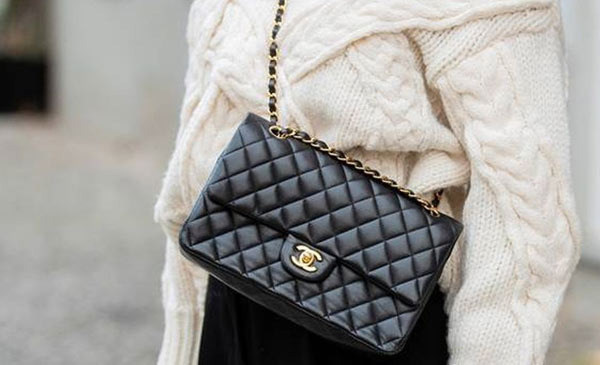
Simply saying that Chanel bags are expensive because they are "luxury items" is insufficient.
This bag is the result of a combination of materials, craftsmanship, rarity strategy, and brand value. First, just looking at the materials, it uses calfskin, lambskin, and high-quality tweed, which naturally deepens over time, and the gold chain also uses metal of a certain quality.
Additionally, the quilting stitches, hardware installation, and internal finishing done by artisans make the production time very long. Even with the same design, the quality can vary significantly depending on the skill level, making it a meticulous process.
Moreover, Chanel insists on a strategy of 'not producing too many' so that not just anyone can easily buy this bag. It is not something that can be purchased anytime, anywhere, just because one has money. The perception that it is hard to obtain stimulates competitive consumer psychology, and that itself becomes part of the price.
Many people wonder if they can profit by reselling Chanel bags. To conclude, 'it is possible, but not every bag will do.' First, the brand itself consistently raises prices, so popular models see their resale prices rise along with the new product prices.
Notably, lines like Classic Flap, Boy Bag, and 2.55 are examples of this. Especially combinations with high demand, such as black, gold chain, and medium size, rarely see price drops in the resale market. In some cases, bags can even be resold for more than their purchase price after several years of use.
So, what is the margin on Chanel bags? In the luxury industry, the margin on handbags is much higher than that of regular clothing. This is due to the significant difference between production costs and retail prices.
However, it cannot be simply stated how much profit is left in numerical terms. The costs of operating high-end workshops, maintaining supply chains, store rent, advertising, and training and service costs for store staff are all included in the price of the 'overall experience' that the brand maintains. Consumers are not just buying a bag; they are purchasing a 'brand experience.' Therefore, looking only at the cost and calling it "excessive profit" ignores the structure inherent in this industry.
What is the lifespan of a Chanel bag? Surprisingly, if well maintained, it can be used for decades, and it is common to pass it down from parents to children. Older Chanel bags can even fetch higher prices in the vintage market.
Classic designs are not very trend-sensitive, and through repair services, chains, leather, and internal components can be replaced, bringing them back to life. Ultimately, Chanel bags are not disposable items but rather 'asset-like fashion' with guaranteed lifespan and resale value.
So, who makes counterfeit bags and how are they distributed? The designs are simple and popular, making them relatively easy to imitate. Fake materials that mimic high-quality leather and metal, similar quilting, and identical chain designs lead to products that can be difficult to distinguish from the real thing at first glance.
Production mainly occurs in regions with low labor costs and the ability to mass-produce, and they spread through online shopping malls, social media markets, and second-hand trading platforms. To make them look real, they even imitate serial stickers, authenticity cards, and packaging boxes. High-end counterfeits can penetrate the resale market and be traded at 'one-tenth the price of genuine products.'
In the end, the reason Chanel bags are expensive is not simply a luxury. It is the result of a combination of materials, craftsmanship, brand management, and rarity strategy. They have a long lifespan and the potential to maintain or even increase in price.
On the other hand, the counterfeit market exploits consumer desires with fake value. Therefore, choosing Chanel feels like a choice about value and attitude rather than just buying a bag. It may seem like vanity to some, but to others, it could be a small investment that enhances their lives over time. Ultimately, Chanel itself is not just a luxury item but an object that embodies 'an experience that brightens a place.'




 Korean Mom |
 novapixel |
 Peter Pan Pet |
 horse |
 Sunset Oregon |
 MBTI Detective Agency |
 kevin Kim |
 Dala Dala |
 jaxter |
  Anytime Journey |
  Mrs. Duluth |
  Atlanta Mama |
  Baguette Blog |
  US Embassy |
  My NYC |
  moo moo |
  Mr Oh |
  forevergee |
  festival |
  manchester |
  constant |
  Leapfrog Move |
  vibranto |
  Tora Tora |
  yellowbutter |
  Dolly |
  NYC saladbar |