

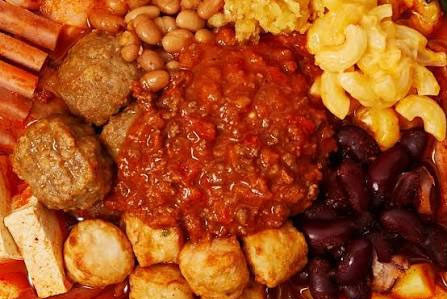
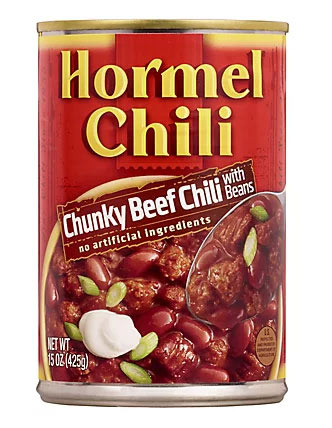
One of the most fascinating things I encountered when I first went grocery shopping in America was chili. The canned goods aisle was lined with rows of chili cans filled with beans.
In Korea, we don't have a culture of eating canned beans, so my first thoughts were, 'Isn't this full of preservatives?' and 'Isn't it unhealthy?'
However, Americans eat it a lot. They take it camping, have it for dinner on busy days, put it on hot dogs, and even use it to make a complete meal with potatoes.
So, what exactly is chili?
Chili is an American stew made by simmering beef or pork, beans like kidney or pinto beans, tomatoes, onions, and spices like chili powder and cumin for a long time.
Surprisingly, it's quite nutritious. Beans are high in dietary fiber and rich in protein, which keeps you feeling full for a long time. Especially kidney beans are known to be cholesterol-free and contain potassium, iron, and folate, making them a popular health food. That's why they often appear in diet plans in America.
Now, what about the preservatives that are most concerning?
Surprisingly, most chili cans contain very few preservatives. You might wonder, "How can it not spoil if it's canned?" The secret lies in the manufacturing process. After the food is placed in the can, it is sealed and sterilized at a temperature much higher than 100 degrees, which prevents bacteria from surviving. This is why they can be stored for years without needing to add many chemical preservatives.
However, there is one thing you should definitely check: the sodium content.
Some products contain more than half of the recommended daily salt intake in just one can. So, when I shop, I always look for products labeled 'Low Sodium.'
And while it has improved a lot lately, it's also good to check the coating material inside the can. Most well-known brands use BPA-Free cans, so you can feel safer eating them than before.
I don't just heat up chili cans. I sauté some onions and add minced garlic, then pour in the chili and let it simmer. Adding leftover broccoli, corn, or bell peppers from the fridge makes it even heartier. A sprinkle of cheese and a dash of pepper at the end gives it a restaurant-quality taste.
It's delicious over rice, wrapped in a tortilla, or served on boiled potatoes for a satisfying meal.
In conclusion, canned food isn't necessarily bad for you. It's more like a product made to preserve good ingredients for a long time.
Just avoid products with too much sodium and make a habit of adding a bit more vegetables, and you'll have a cost-effective and nutritious meal.
After living in America for a while, I now understand why everyone keeps a few cans of chili in their homes.
Recipe for Budae Jjigae with Plenty of Chili Beans
Prepare 1 can of chili beans, half a can of Spam or luncheon meat, 2-3 sausages, half an onion, one green onion, one cup of kimchi, half a block of tofu, chili beans, and one serving of ramen noodles.
For the broth, adding one pack of beef bone broth or chicken broth to 700mL of water will enhance the flavor significantly.
For seasoning, 1 tablespoon of gochujang, 1 tablespoon of chili powder, 1 tablespoon of minced garlic, 1 tablespoon of soy sauce, 1 tablespoon of dark soy sauce, and about half a tablespoon of sugar should be enough. If the kimchi is very fermented, you can skip the sugar.
In a pot, first sauté the kimchi and onion for 2-3 minutes to release their aroma, then add the water and broth and bring it to a boil. After dissolving the seasoning, add the ham, sausage, and tofu, and let it simmer for about 10 minutes.
Now, here's the key point. Don't add the chili beans at the beginning; add them near the end to prevent the beans from breaking apart. Pour in the broth as well and let it simmer for just 3-4 more minutes. Finally, add the green onion and cook the ramen noodles to finish.
When you taste it, the beans add a lot of fullness, and the broth is surprisingly rich and savory. Kids will love it even more with a slice of cheese on top, and adults can add a bit of chopped spicy pepper for an extra kick.
The unique tomato flavor of the chili beans surprisingly complements the spiciness of the budae jjigae, making it a taste you'll crave once you try it.
With just one can of chili beans, a regular budae jjigae transforms into a hearty meal, so keeping one or two cans in your fridge will definitely not be a regret.
 SWATSquad
 MeadowBlog
 urbanvibemaker1973







 Sandiego Auntie |
 Kitchen Ideas |
 Yellow Snowman |
 Moscow Kim |
 Seattle - Emerald City |
 Sunshine Blog |
 Splendid Mission |
 FLORIDA Acus |
 You Only Live Once |
 Mr Bull Jung |
  Key spots |
  berrypup |
  Yo Lock Me Up |
  Oh my Julia |
  bibigoo |
  silents |
  Team Korea Psychoanalysis Research |
  North Dakota Ragdoll Cat Owner |
  El Dorado |
  Cap Com |
  Trot King News |
  Blondee |
  some fame |
  rapidfire |
  walnutbo |
  Shinbaram Dr. Blog |
  breaddough |
  Michigan Enthusiast |
  Only Dentalbay |
  postcard |