

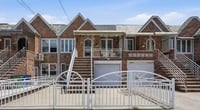
A retired resident who has lived in a brownstone townhouse in Brooklyn for many years felt overwhelmed after receiving estimates for boiler and roof repairs. With the building being nearly 100 years old, multiple issues arose at once. In such a situation, the first concern is property taxes.
The effective property tax rate in Kings County, where Brooklyn is located, is 0.69 percent, one of the lowest in New York State. However, the median property tax bill is $6,908 per year, primarily due to high property values. The median home price in Brooklyn is reported to be $1,151,000 (Ownwell). Even within Brooklyn, there are significant variations based on zip codes. For instance, the 11239 area has an annual tax of $3,300, while the 11201 area can go up to $14,816. This indicates that even within the same borough, circumstances can differ based on location.
The next concern is heating and cooling costs. Con Edison supplies electricity in Brooklyn, while National Grid provides gas in certain areas. With the rate increases approved for 2026, Con Edison's electricity rates rose by an average of 3.5 percent, and gas rates increased by 4.4 percent. In dollar terms, this translates to an increase of about $4 per month for electricity and $10.67 per month for gas. The century-old brownstone has poor insulation, making these increases more noticeable.
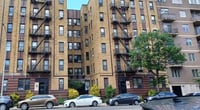
Another question is how much better it would be to move to a condo. When moving to a condo, major repairs to the roof, exterior walls, and plumbing are often included in the maintenance fees, or common charges. However, the amount set aside for maintenance and the building's reserve fund (savings for major repairs) can vary from building to building. Buildings with insufficient reserves may suddenly impose special assessments, so it's important to check the financial status of the management association when viewing properties.
Insurance also differs. Townhouses require homeowners to cover the roof and exterior walls under their own home insurance. In contrast, co-ops and condos are covered under a master insurance policy for the entire building. Individuals only need to insure their interiors and personal liability. The plumbing and electrical wiring in a 100-year-old brownstone are also outdated. Since insurance premiums can vary by provider, it's advisable to get estimates in advance.
The timing of the sale is also a factor to consider. Townhouses tend to have a limited pool of buyers, resulting in longer selling periods. On the other hand, condos generally have more active transactions. If funds are needed urgently, this difference cannot be overlooked. It's also good to know that the approval process for co-ops can make the selling process longer.
Heating and cooling costs are another aspect to consider. Brownstones have high ceilings and many windows, resulting in a larger area for heating and cooling. Condos often have smaller unit sizes and may meet more modern insulation standards. Even with the same energy rate increases, the actual costs felt can vary depending on the type of housing. Comparing actual usage on bills is the most accurate way to assess this.
The final question is about senior discounts. The Enhanced STAR program provides property tax reductions for homeowners aged 65 and older. As of 2026, if one of the owners is 65 or older and their combined adjusted gross income is $110,750 or less, they can apply. Co-op and condo owners are also eligible. The application deadline is typically March 1. In a co-op, individuals buy shares in the building and do not pay property taxes directly. The overall property tax for the building is already included in the maintenance fees. The benefits of the discount are also reflected in the maintenance bill, making the process different from condos. It's best to contact the management office directly to confirm this information. Even for retired households that do not need school districts, considering resale value suggests that condos in areas with good school ratings may be advantageous.
In summary, if the recurring repair costs of an old townhouse are burdensome, moving to a condo could be a solution. However, maintenance fees and reserve fund statuses vary by building. There are also significant tax variations by zip code. This article does not constitute investment or legal advice. It is advisable to consult with a professional before making any actual contracts.
 TofuBurgRace
 CookieSurvive







 Sugar Cream Door Bulletproof Noodles |
 urbanmint |
 |
| 
 Premium Gas Camp |
 CA Real Estate |
 newyorker 101 |
 Franco Family |
 Round and Round Children's Song Kingdom |
 glimmer |
  moonshine 7 |
  Sunset Oregon |
  victoria 68 |
  golfmaster |
  Montgomery Mom |
  squidogame |
  Noodle Noodle |
  Rhode Island Good People |
  Big North |
  Famous Attractions in the United States |
  Jin Soo V |
  Starbucks Reserve Roastery Closure |
  peppermint |
  Stable Co. |
  Purple Moons, |
  International Court |
  roma |
  horse |
  moodansa 77 |
  zymit |