
When looking for a home in Chino, calculating property taxes can get complicated. In California, the assessed value is recalibrated based on the purchase price. If you buy a new construction, the property tax basis is set at the purchase price. Owners of older homes often pay lower property taxes based on previous assessed values.
This structure is referred to as property tax reassessment. It is due to California Proposition 13. The assessed value is fixed based on the purchase price at the time of acquisition and can only increase by about 2 percent annually thereafter. When you buy new construction, that starting point is the current market value. Owners who have held onto older properties have a much lower starting point.
Let's look at the prices. According to Zillow, the average home value in Chino in July 2026 is $772,256. This is a 1.9 percent increase from a year ago. The price per square foot is around $389.
What about new constructions? Shea Homes is currently selling a 3-bedroom community starting at $677,990 in Chino. A 4-bedroom, 2,259 square foot unit starts at $832,246. Lennar is also offering a 5-bedroom, 2,978 square foot home for $999,990. There are currently 89 new construction listings available for sale.
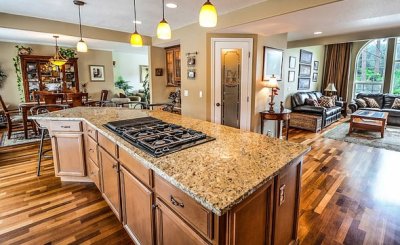
Even for the same square footage, new constructions come with the latest floor plans and option packages. For example, Lennar's Everything's Included package features stainless steel appliances, granite countertops, and upgraded cabinets as standard. Older homes require you to remodel these options yourself, which incurs additional costs.
Looking at the numbers, new constructions can be priced lower or higher than the average for older homes. This indicates a significant variance depending on square footage and options. Nationwide, new constructions often carry a premium of about 10-20 percent over older homes (based on RentCafe and Apartment List new construction trend reports). Chino is likely not much different.
Chino is located at the western edge of the Inland Empire and is a popular area for families commuting to Los Angeles and Orange County. New construction communities are often developed in locations with good highway access to cater to this commuting demand, while older homes are typically found in quiet residential neighborhoods in the city center.
HOA fees are definitely higher for new constructions. New communities with amenities like pools, gyms, and community clubhouses charge separate monthly management fees (according to bankrate.com). Older homes, especially single-family homes without an HOA, do not have this burden but require owners to handle major repairs like roofs or plumbing on their own.
There are also differences in building warranties. New constructions come with structural and equipment warranties ranging from 1 to 10 years (according to nar.realtor). Older homes often have long expired warranties, and if they are over 20-30 years old, they may be approaching the time for significant repairs (according to nerdwallet.com).
The advantages are clear. Older homes often have reasonable prices relative to their size and are located in established neighborhoods. Many areas preferred by Korean families are in neighborhoods that have been developed for a long time. School district boundaries change frequently, so it's advisable to check the assigned school for a given address using GreatSchools or state education department resources before signing a contract.
In areas like Chino, where new construction is abundant, owners of older properties also consider the remodeling condition when setting sale prices. If an older home has recently updated kitchens and bathrooms, the gap with new constructions narrows, while untouched older homes see a wider gap. If you're investing, checking the remodeling history is crucial for a realistic comparison. Since there can be significant variances between listings, it's important not to make decisions based solely on the year of construction listed in documents.
To properly compare new and older constructions, you need to calculate the actual monthly burden, including property taxes and HOA fees. Property tax and rental regulations can vary by county. This article is not investment or legal advice, and it's recommended to consult with real estate and tax professionals before making any actual contracts.
 RagingBunny
 MonthlyLoot








 cheesepup |
 breezem |
 yentra |
 virex |
 vexon87 |
 American History This and That |

 Raccoon Ramen Night |

 Cap Com |
  vionoo |
  chocolate |
  Whisper |
  Star Voyager |
  InDiGo |
  Rocky Mountains |
  Whoever It Is, I Don't Know |
  Why Not Me |
  Plastic Rose |
  Rice Shop Uncle BLOG |
  Victory 1988 |
  Gook Rule |
  Rowland Mama |
  Coco and Lulu |
  Baguette Blog |
  washington mom |
  yorvik12 |
  solvix18 |
  HVAC will prosper |
  mortrix |