
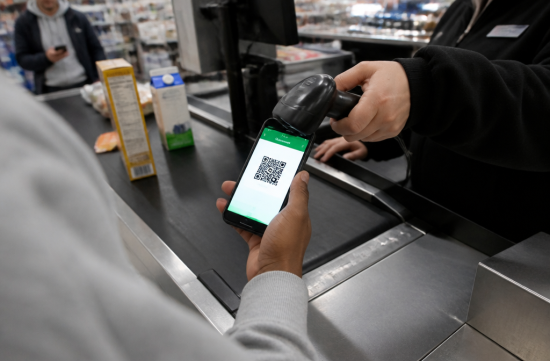
When the cashier at the grocery store asks, "Do you have a loyalty card?" most people casually provide their phone number.
They think it's just about earning points and getting a few coupons, but in reality, creating this card means sharing your name, email, birthdate, and even purchase history.
Kroger states in its promotional materials that loyalty card members save an average of $576 per year.
Using digital coupons and the Kroger Plus card together can provide discounts of about 15 to 25 percent on each shopping trip, so it seems there's no reason not to get the card.
Other chains like Walmart and Safeway are also expanding their member-only pricing strategies, making it feel like shopping without a card is a loss.
But where does this information actually go?
Kroger has long operated a structure where it analyzes member purchase data through its own data company, 84.51°, and sells this information to other companies that need it.
The company name is derived from the longitude of Cincinnati, where Kroger's headquarters is located, indicating their serious commitment to numbers and data.
According to a Consumer Reports survey, Kroger earned $527 million in 2024 by selling shopper personal information to data brokers.
This revenue is projected to increase to $825 million by 2027, with this so-called 'alternative revenue' already accounting for over 35 percent of Kroger's net profit.
More than 50 companies, including marketing firms, tobacco companies, and financial institutions, purchase this information, indicating a larger scale than one might expect.
The key finding of this investigation was that they are not just collecting purchase histories but also layering location and demographic information to create detailed profiles of individual consumer habits.
Labor unions have raised concerns that this accumulated data could lead to better discounts being offered only to high-income customers, while others may be pushed to pay closer to full price.
Knowing that the personal information shared for a few percentage points off can fuel such a large business changes the feeling about getting a card.
Many Korean grocery stores operate similar reward systems, so it's common these days for people to have several loyalty cards stored in their mobile apps instead of their wallets.
Since many reward points expire, it's not uncommon to end up giving away information without actually reaping the benefits.
However, that doesn't mean everyone is refusing to get cards.
85 percent of online adults in the U.S. are signed up for at least one loyalty program, and among grocery shoppers, 82 percent are already members.
Yet, only 59 percent of these members actively use their cards, with the average person carrying 3.4 programs at once.
People sign up but often don't use them, leaving their information scattered, and a survey found that 79 percent of U.S. adults feel uneasy about how their information is used, suggesting a general awareness that is often ignored.
Personally, I don't think there's a need to outright refuse cards.
After all, the level of personal information required by grocery apps is pretty standard, and the discounts do translate into real savings.
However, I believe it's reasonable to provide only one piece of contact information, like a phone number or email, and not feel obligated to fill in the postal code or birthdate unless asked.
If you have the app, it's better to limit location permissions and ad tracking rights rather than granting full access.
Remember, there's no such thing as a free discount card; ultimately, your information is paying the price for those savings.
 MisoTankDef




 Idaho's Sumi's House |
 holy cheese |
 Michigan Enthusiast |
 Anna Life |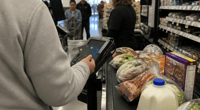
 JESIKYEOALBA BLOG |
 lunexa |
 NE Hodori Preik |

 Nebraska Center Director TOP |
 moomoon |
 shaket |
  vionoo |
  chocolate |
  Whisper |
  Star Voyager |
  InDiGo |
  Rocky Mountains |
  Whoever It Is, I Don't Know |
  Why Not Me |
  Plastic Rose |
  Rice Shop Uncle BLOG |
  Victory 1988 |
  Gook Rule |
  Rowland Mama |
  Coco and Lulu |
  Baguette Blog |
  washington mom |
  yorvik12 |
  solvix18 |
  HVAC will prosper |