

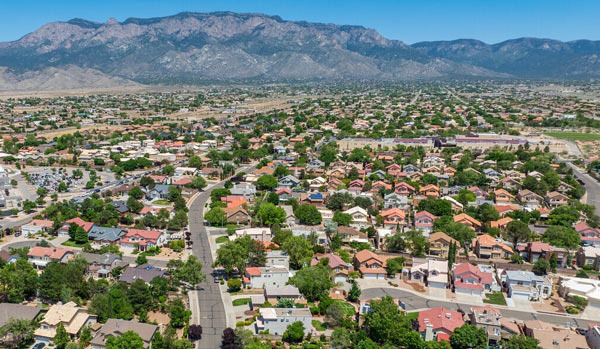
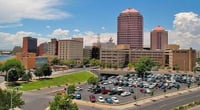
Albuquerque is a city located at an elevation of about 1,600 meters (5,280 feet) in a high desert climate, which has different environmental characteristics compared to the eastern or midwestern United States.
This can lead to unexpected health issues or environmental discomfort for newcomers. Knowing about the types of bugs, seasonal allergies, adaptation issues due to high altitude, and endemic diseases reported in the area can help you adjust more comfortably.
Regarding insects and arthropods, the most concerning in Albuquerque is the scorpion. New Mexico is home to several species of scorpions, among which the Bark Scorpion (Centruroides sculpturatus) is highly venomous and can cause severe pain and neurological symptoms if stung. Scorpions are primarily active at night and tend to hide in tight spaces like shoes, clothing, and bedding, so it's important to develop a habit of shaking out your shoes before putting them on.
Additionally, the Black Widow Spider and Brown Recluse Spider are also found in New Mexico. The Black Widow, in particular, is often found in outdoor sheds, stacked firewood, and dark corners of storage areas, so it's advisable to wear thick gloves while cleaning.
In terms of allergies, Albuquerque frequently ranks as one of the worst cities for allergies in the United States. The main culprits are tree pollen in the spring (March to May) and weed pollen in the fall (August to October). Notably, the pollen from Juniper is known to cause severe allergic reactions in Albuquerque almost every year from January to March. Locally, this season is referred to as Cedar Fever or Juniper Fever due to the number of affected individuals. In the fall, pollen from Tamarisk and Russian Thistle (commonly known as Tumbleweed) can also trigger allergies. Those with allergies are advised to consult a local allergy specialist for regional allergen testing after moving.
Regarding endemic diseases, Coccidioidomycosis, or Valley Fever, is a fungal infection that should be noted in New Mexico and the southwestern United States. The spores of the Coccidioides fungus, which live in the soil, become airborne with dust and can be inhaled, leading to infection. The risk is higher during outdoor work at construction sites, agricultural fields, or on windy days. About 60% of infections are asymptomatic, but others may experience flu-like symptoms (fever, cough, fatigue, muscle aches), and some may progress to pneumonia. According to the New Mexico Department of Health (NMDOH), hundreds of cases are reported annually in the state. Wearing an N95 mask during outdoor dust work can help prevent infection.
Hantavirus is another viral disease sporadically reported in the southwestern region, including New Mexico. Infection occurs when the droppings, urine, or saliva of the Deer Mouse become dry and are inhaled, leading to a serious illness that can cause pulmonary edema and has a high mortality rate. The risk is particularly high when cleaning long-abandoned warehouses, barns, or camping cabins. When cleaning such spaces, it is essential to wear an N95 mask and gloves, and to use a damp cloth rather than sweeping or dusting. Areas with signs of rodent intrusion require special caution.
Lastly, adaptation issues related to high altitude cannot be overlooked. Albuquerque is located at over 1,600 meters above sea level, where the oxygen concentration is about 10-15% lower than at sea level. It is very common to experience headaches, fatigue, and shortness of breath for several weeks after moving. It is advisable not to overexert yourself with vigorous exercise before fully acclimating, and increasing your fluid intake can be beneficial. Due to New Mexico's dry air (humidity 10-30%), many people also experience dry skin and nasal mucosa, leading to frequent nosebleeds. Using a humidifier or maintaining indoor moisture is more important than one might think.
 CraneDancer
 ForestWalker
 SunnyBear


 Karina's Blog |
 Jimbeam 88 |
 Taco Bell Candy Note Blog |
 Splendid Mission |
 Florida Gario |
 Say Yes in English |
 New Mexico Friends MAX |
 Mrs New Mex |
 frostbite |
  Springs Korea |
  nixon |
  mini hometown |
  Gleeee |
  MacMorningBlog |
  ASURA |
  Elastico |
  shaket |
  vionoo |
  chocolate |
  Whisper |
  Star Voyager |
  InDiGo |
  Rocky Mountains |
  Whoever It Is, I Don't Know |
  Why Not Me |
  Plastic Rose |
  Rice Shop Uncle BLOG |
  Victory 1988 |
  Gook Rule |