
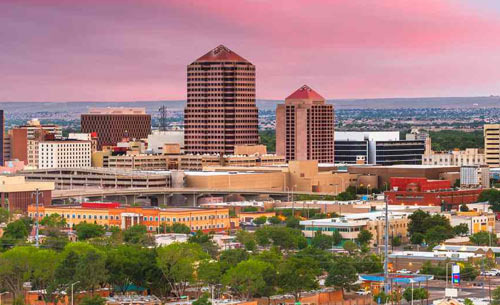
Albuquerque is not one of the major cities that many immigrants choose, but New Mexico itself is one of the states in the U.S. with the highest percentage of Hispanic and Latino populations, making it relatively open to diverse cultures. Let's take a closer look at the advantages and disadvantages of living in Albuquerque from an immigrant's perspective.
Starting with the advantages, the first is cultural diversity and inclusiveness. Over 50% of New Mexico's population is Hispanic or Latino, and Native American tribes make up about 11% of the total population. Thanks to this demographic makeup, immigrants report that Albuquerque is more accepting of cultural diversity compared to other cities in the U.S., and they experience relatively less overt discrimination or discomfort as outsiders.
The second advantage is the bilingual environment. The city widely uses both English and Spanish, making life much easier for immigrants who may not have perfect English skills yet if they can speak Spanish.
Even if you don't know Spanish, it is relatively easy to access interpretation services at hospitals, schools, and government agencies. The third advantage is the low startup costs for businesses. Albuquerque has lower rent, labor costs, and living expenses compared to major cities, creating a favorable environment for starting small businesses. The New Mexico Small Business Development Center (NMSBDC) offers free consulting and training programs for small business owners, including immigrant entrepreneurs.
However, the disadvantages are also clear. The first disadvantage is safety concerns. Albuquerque is often mentioned as having a high crime rate among major U.S. cities. The rate of auto theft has consistently ranked among the highest in the country for years, and both property and violent crimes are above the national average.
The city of Albuquerque and the New Mexico state government are continuously investing in increasing police personnel and crime prevention programs, but these are structural issues that are difficult to resolve in the short term. Immigrants need to be particularly careful when choosing where to live, with areas like Northeast Heights, parts of North Valley, and Rio Rancho being relatively safer.
The second disadvantage is the limited job market. The main employment sectors in Albuquerque are government agencies (Kirtland Air Force Base, University of New Mexico Health System), healthcare, tourism, and retail. Compared to cities like Silicon Valley, Seattle, or Austin, there are fewer opportunities for high-tech jobs. However, Intel's factory in Rio Rancho provides exceptions for semiconductor-related positions.
The third disadvantage is the lack of infrastructure for the Asian community. There are limited Korean markets, Korean restaurants, and Korean-speaking doctors, which can lead to inconveniences in daily life.
Overall, Albuquerque has its appeal for immigrants looking for lower living costs and a relaxed pace of life. However, it may not be an easy city for those seeking a robust Korean community infrastructure and an active job market typical of larger cities. If possible, it is essential to spend 1-2 weeks living there before making a decision to see if it aligns with your lifestyle.
 100Sticks
 midnightvalleybuilder1940






 American Hardcore Band |
 Rice Shop Uncle BLOG |
 Baguette Blog |
 solvix18 |
 novapixel |
 Say Yes in English |
 Pointy |
 New Mexico Friends MAX |
 frostbite |
 Mrs New Mex |
  hazelnut |
  Korean News American Blog |
  AH LALA |
  Savion |
  pintos |
  Good Good |
  oh my salami |
  Lemonade Cider Planning Director |
  Way to easy |
  Dala Dala |
  Springs Korea |
  nixon |
  mini hometown |
  Gleeee |
  MacMorningBlog |
  ASURA |
  Elastico |