
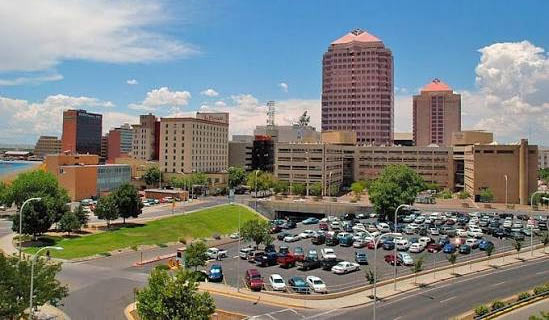
If you believe the formula that New Mexico means desert and desert means hot, you might be surprised.
Albuquerque is a high-altitude city located at about 1,600 meters (5,300 feet), so simply describing it as 'hot' or 'dry' doesn't capture the variety of seasonal changes. Now, let's break it down like a dramatic line. Walter White probably wouldn't have predicted Albuquerque's weather either. According to data from the National Oceanic and Atmospheric Administration (NOAA), the average annual temperature in Albuquerque is around 14°C (57°F). During summer (June to August), daytime temperatures can rise to an average of 32-35°C (90-95°F), but at night, they drop to 18-20°C (65-68°F), making it feel quite cool. With low humidity, the heat of the day is much more bearable compared to coastal cities on the East Coast or in Texas.
In winter (December to February), daytime temperatures are about 7-10°C (45-50°F), while nighttime temperatures hover around -2 to 5°C (25-28°F). Snow does fall, but heavy snowfall is infrequent. The average annual snowfall is about 10-12 inches (approximately 25-30 cm), and when it does snow, it usually melts within two days. However, the Sandia Mountains receive significantly more snow, allowing for the operation of the Sandia Peak Ski Area. Spring (March to May) is the windiest season, and dust storms (dust storm or haboob) can occur. Those with allergies should be particularly cautious in spring, as it's the season when both pollen and dust are in the air.
Annual precipitation is about 9.5 inches (approximately 240 mm), which is less than half the national average. Even that little rain is concentrated about 40-50% between July and September. This period is referred to as the Monsoon Season, where moisture from the Gulf of Mexico brings sudden thunderstorms every afternoon. The pattern is clear during the day, but suddenly, between 3-5 PM, the sky darkens, and heavy showers pour down. The evening skies during the monsoon season create dramatic scenes with lightning and clouds, making this season particularly popular among photography enthusiasts. Fall (September to November) is Albuquerque's most popular season, coinciding with the International Balloon Fiesta in early October, when temperatures are pleasant and the skies are clear.
It's also good to be aware of altitude-related precautions. If you move to Albuquerque from sea level, you may experience headaches, fatigue, and sleep disturbances during the first 1-2 weeks. This is known as altitude adaptation response. It's advisable to drink more water than usual and to temporarily avoid intense exercise. Additionally, the UV index is significantly stronger at higher altitudes compared to coastal cities with lower elevations. Sunscreen is a must-have item year-round, and it's recommended to bring sunglasses as well. Having over 310 days of clear weather means there are many days of UV exposure. Now, do you understand why people say they have no complaints about the weather while living in New Mexico?
 ThePunisher
 OceanFlower




 Rice Shop Uncle BLOG |
 Baguette Blog |
 solvix18 |
 novapixel |
 UNI Lover |
 New Mexico Friends MAX |
 Mrs New Mex |
 Say Yes in English |
 frostbite |
 silents |
  Springs Korea |
  nixon |
  mini hometown |
  Gleeee |
  MacMorningBlog |
  ASURA |
  Elastico |
  shaket |
  vionoo |
  chocolate |
  Whisper |
  Star Voyager |
  InDiGo |
  Rocky Mountains |
  Whoever It Is, I Don't Know |
  Why Not Me |
  Plastic Rose |
  Victory 1988 |
  Gook Rule |