
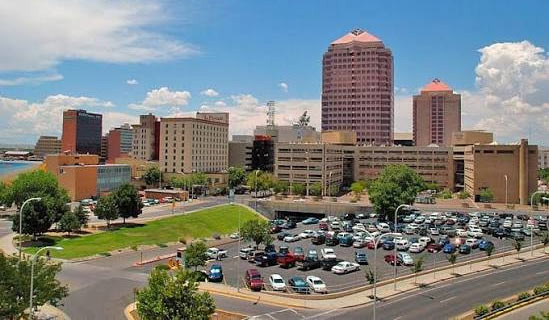
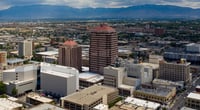
Albuquerque is the largest city in New Mexico, with a population of about 560,000 residents, making it a key city in the southwestern United States.
Located at an elevation of about 1,615 meters (5,312 feet), the city is traversed by the Rio Grande River. Known as the Sunshine City, it boasts over 300 days of clear weather each year, and its dry desert climate provides an environment suitable for outdoor activities year-round. The city covers an area of approximately 487 square kilometers and is home to several higher education institutions, including the University of New Mexico (UNM), contributing to its vibrant academic and cultural scene.
Albuquerque is a multicultural city unique to the southwestern United States. About 50% of the population is Hispanic/Latino, and Native Americans make up about 5% of the total population. This cultural diversity is evident throughout the city, particularly in Old Town Albuquerque, a historic district established in 1706 during the Spanish colonial period, where adobe-style buildings and traditional markets still thrive. The Albuquerque International Balloon Fiesta, held in early October each year, is the largest hot air balloon festival in the world, featuring around 500 balloons and attracting over 900,000 visitors from around the globe.
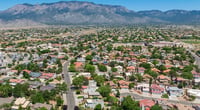
One of the main attractions is the ABQ BioPark, a complex that includes an aquarium, botanical garden, zoo, and fishing park, making it especially popular with families. The Sandia Mountains, located to the east of the city, are a massive mountain range, with the highest peak, Sandia Crest, reaching an elevation of 3,255 meters. The Sandia Peak Tramway is considered one of the longest straight aerial tramways in the world, offering stunning views of the Rio Grande Valley and Albuquerque from the top, where a restaurant and observation deck are available. The tramway ride takes about 15 to 20 minutes.
Albuquerque's economy is centered around the aerospace and defense industries, healthcare, education, and tourism. Kirtland Air Force Base and facilities related to the National Nuclear Security Administration are located nearby, contributing significantly to federal employment. Additionally, Albuquerque International Sunport serves as a major hub airport in the Southwest, with major airlines such as Southwest Airlines, American Airlines, United Airlines, and Delta Air Lines operating there, accommodating about 5 million passengers annually. Transportation within the city is facilitated by the ABQ RIDE bus system and a bike-sharing service called HUBS, while the Rail Runner Express connects Albuquerque to Santa Fe in about 1 hour and 20 minutes.
The food culture is also a major attraction in Albuquerque. Green Chile and Red Chile, essential to New Mexican cuisine, are symbols of the region and are featured on nearly every restaurant menu. Locals often choose to order their food 'Christmas style,' which means to have both green and red chile on top. New Mexican cuisine has its own distinct traditions that set it apart from Mexican cuisine, with signature dishes including roasted green chile burgers, sopapillas, and red chile posole. The Nob Hill district is known for its concentration of independent restaurants, cafes, and boutique shops, making it a great place to experience local culture.
 NationalSing
 MichiganTime



 Anjollinya Blog |
 Taco Seattle |
 Mr Song Song |
 Living Economy Information Blog |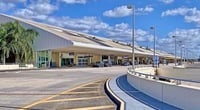
 Blog Korea |
 New Mexico Friends MAX |
 Mrs New Mex |
 Say Yes in English |
 frostbite |
 silents |
  Springs Korea |
  nixon |
  mini hometown |
  Gleeee |
  MacMorningBlog |
  ASURA |
  Elastico |
  shaket |
  vionoo |
  chocolate |
  Whisper |
  Star Voyager |
  InDiGo |
  Rocky Mountains |
  Whoever It Is, I Don't Know |
  Why Not Me |
  Plastic Rose |
  Rice Shop Uncle BLOG |
  Victory 1988 |
  Gook Rule |