
In Las Vegas, prior knowledge of the unique desert environment is necessary beyond just residential areas.
Located in the heart of the Mojave Desert, Las Vegas has fewer types of pests due to its dry and hot climate compared to humid areas, but it is home to unique desert creatures, some of which can directly affect health. Additionally, allergy issues related to the desert climate are commonly experienced by newcomers.
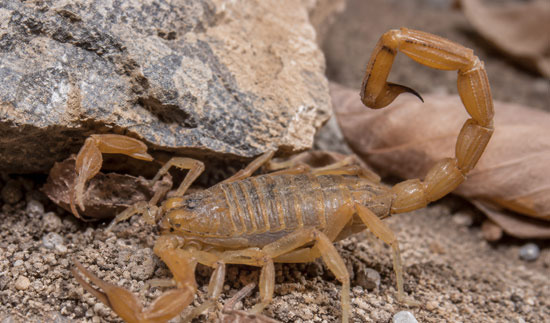
Scorpions are one of the most concerning creatures in the Las Vegas and Nevada desert regions. In particular, the Bark Scorpion (Centruroides sculpturatus) is the most venomous scorpion species in North America, commonly found in southern Arizona and Nevada. If stung, one may experience severe pain, paralysis, and, in rare cases, difficulty breathing, requiring medical attention.
Scorpions tend to hide in shoes, under bedding, and between clothing, so it is advisable to avoid leaving shoes outside or placing bedding on the floor. If found in the home, it is safest to contact a professional pest control service.
Among spiders, the Black Widow Spider and Brown Recluse Spider can be found in the Las Vegas area. The Black Widow is identifiable by its red hourglass pattern and often resides in dark corners, warehouses, and near flower beds. If bitten, symptoms such as muscle spasms, abdominal pain, and sweating may occur due to neurotoxins, and an emergency room visit is recommended. Additionally, various species of snakes inhabit the desert, particularly the Western Diamondback Rattlesnake and Mojave Rattlesnake, which are spotted in the suburbs of Las Vegas. It is important to avoid stepping carelessly near rocks or bushes while hiking.
Desert allergies are a surprisingly common issue for newcomers. Despite its dry climate, Las Vegas has a variety of landscaping plants, with pollen from the Olive Tree, Mulberry Tree, and Ash Tree being major culprits for spring allergies. The Mulberry Tree was once widely planted throughout Las Vegas but is now banned from new planting due to allergy issues, although many existing trees remain.
During spring (February to April), pollen levels rise sharply, so those with allergies should prepare antihistamines in advance. Additionally, strong desert winds in spring and fall can stir up dust and sand (Haboob phenomenon), and those with respiratory conditions are advised to limit outdoor activities and use indoor air purifiers.
Coccidioidomycosis (Valley Fever) is a fungal infection that occurs in the desert regions of the southwestern United States, including Nevada and Arizona. The spores of the Coccidioides fungus in the soil become airborne and are inhaled, leading to symptoms similar to the flu, such as fever, cough, and fatigue. Most cases resolve naturally, but those with weakened immune systems may experience chronic issues, so caution is advised.
In the Las Vegas area, the risk of infection increases when inhaling dust near construction sites or land development areas. It is recommended to wear N95 masks during outdoor civil engineering or gardening work.
In addition to pests and environmental factors, the extreme climate of Las Vegas itself affects health. There are days when summer temperatures exceed 45 degrees Celsius, and heat-related illnesses and dehydration cause fatalities each year.
Clark County operates Cooling Centers during the summer and distributes heat response guidelines for outdoor workers, seniors, and children. The first year of moving may require time for the body to adapt to Las Vegas's climate, and symptoms such as dry skin, dry nasal mucosa, and red eyes due to the dry air are common.
I hope this article helps those settling in LV in some way.
 ApricotLaugh
 MatchaSymph
 StudioCat





 LIZ Legal Information Blog |
 Karina's Blog |
 Jimbeam 88 |
 Taco Bell Candy Note Blog |
 Splendid Mission |
 Anova US Beauty Information |
 celion78 |
 US Legal Consultation on Trials |
 korvix |
 vegas mom |
  Cap Com |
  nixxon |
  kevin Kim |
  beerdreamer |
  Kims Spring |
  White bunny |
  Kansas City Representative Singer |
  shadow 007 |
  sun walker |
  Choco Choco Star |
  midnight blue |
  honeypot |
  summer |
  adventure77 |
  flexible |
  Shintongbangtong Shin Naerin James Park |
  truepixel |
  Kathy's Blog |
  Hae Naem |
  quatspace |