
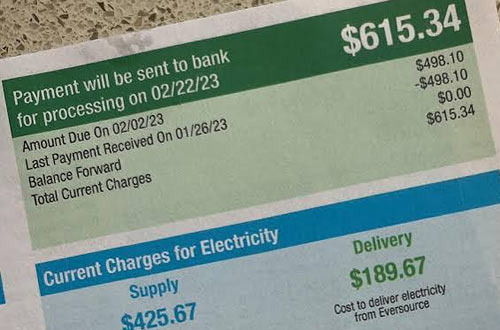
When I first settled in Connecticut, I was surprised by many things, but one of the hardest to adjust to was the utility costs.
I used to live in the Midwest while I was in school, and when I thought about how much electricity I used and received my first bill, I couldn't believe my eyes. Did I really use this much electricity?
Is there a leak somewhere? At first, I thought there was something wrong with the house.
But it turned out that it wasn't just my usage that was the problem. Connecticut is known for having some of the highest electricity rates in the country.
It's consistently ranked among the highest in the nation, often mentioned alongside Hawaii as an expensive area. In the Hartford area, when you add up various charges, the residential electricity rate can exceed 30 cents per kWh. Compared to the national average, it's definitely a burden.
Many homes in the Hartford area receive electricity from Eversource, and if you look closely at the bill, it can be overwhelming at first. You're not just paying for the actual electricity you used; there are various charges, including the cost of delivering electricity to your home. This is why there are months when you wonder, "Why is my bill so high when I barely used any electricity?"
Connecticut allows you to choose your electricity supplier, so if you're unhappy with the supply rate, you can look into plans from other companies. However, here's a piece of advice: don't just jump at the lowest rate on the first screen. You need to carefully check whether it's a fixed rate, how long the contract is, and how the terms might change later. If you switch just to save a few cents and end up with more headaches later, that's also a hassle.
Winter is particularly problematic. Those who have experienced a Connecticut winter know what I mean. When you open the door in the morning to find snow piled up and the wind blowing, there's no way to survive without heating. In Hartford, temperatures can drop to the low 10s Fahrenheit in mid-winter, and there can be significant snowfall.
If your house is old, it's even more concerning. If cold air seeps in through window gaps and insulation isn't adequate, no matter how much you run the heating, warm air keeps escaping. Whether your home uses an electric heat pump or gas or oil heating, you need to budget generously for winter utility costs. Especially with older, larger homes, you might be shocked by the winter heating bills after just looking at the home price.
So when looking for a home in Connecticut, I believe you shouldn't just ask about the rent or mortgage. If possible, check how much the previous resident's winter utility costs were. You should also look into when the windows were replaced, whether the attic is insulated, and how old the heating system is. If you only focus on how pretty the house is and sign the contract, you'll be even colder when you receive the January bill.
It's not that there are no ways to save. You can compare electricity supply plans and, if possible, choose conditions with less price fluctuation risk. If it's an old house, checking insulation and window gaps can be more effective than you might think. It's also worth looking into energy efficiency programs like Energize Connecticut, which can provide support for home energy assessments, insulation, and heat pumps. If you plan to live in the house for a long time, you might also want to consider solar energy.
And while it may seem trivial, lowering the indoor temperature by a degree or two in winter, managing unused rooms, and using smart thermostats can add up to significant savings.
For those moving to Connecticut, I want to emphasize that you shouldn't just budget for home prices and property taxes. Make sure to include utility costs for electricity, heating, and water in your budget. Don't be like me, staring at my first bill wondering, "Did I run a factory at home?" Connecticut has many great aspects, but you really need to be prepared for the electric bill.
 VelvetTrail97







 Smile Face |
 Helpful Life Stories |
 Casa Mia |
 Study Abroad Life Know-How Tips |
 pravix22 |
 Buckwheat Muktudari Notebook |
 Connecticut |
 Kim Do Sun |
 Lime Juice |
 stalion |
  anchor |
  The Long Shot |
  Investment Beginner Company Information Encyclopedia |
  sweetfox |
  ceporta |
  H Leader |
  My tracks |
  Yes Dorian |
  novent |
  calviro |
  Enjoying Samba at Home |
  Once in a Lifetime |
  novapixel |
  Korea Tiger News |
  Banana |
  rouge88 |
  toffee |
  King County |