
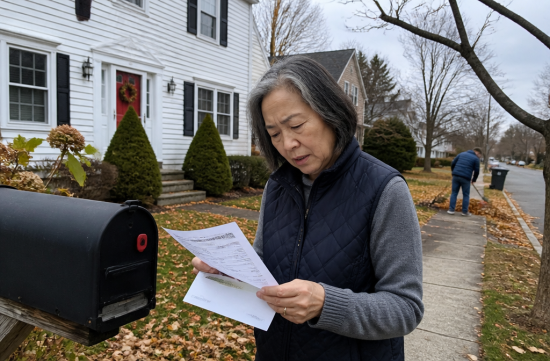
Last week, I opened my electric bill and stared at it for a while. I had seen the news about the rate drop, but the numbers weren't as dramatic as I expected. I put on my reading glasses and examined each item closely.
This topic often comes up in local Korean community meetings. People are wondering why, despite the significant drop in Connecticut's electric rates over the past year, their bills seem unchanged.
So this time, I decided to look into the data myself. To cut to the chase, the rates have indeed dropped, but the commonly cited figure of 19% isn't confirmed by official sources.
The verified number is as follows: According to the U.S. Energy Information Administration (EIA), Connecticut's residential electric rates fell by 10.6% between June 2025 and June 2026.
During the same period, the national average actually increased by 5%. So, Connecticut is going against the trend.
However, rates are still high. The average cost in Connecticut is 24.32 cents per kWh, significantly higher than the national average of 18.34 cents.
In terms of state rankings, Connecticut has dropped from the 5th most expensive state to the 12th. While this is good news, it doesn't change the fact that it's still an expensive place to live.
So what caused the rate drop? The key factor is the public benefits charge in the bill.
The state Public Utilities Regulatory Authority (PURA) decided to effectively eliminate this charge on April 22. This rate will be in effect from May 1 until April 30, 2027.
For Eversource customers, this means a reduction of 4.3 cents per kWh, resulting in an average monthly savings of $30, while UI customers will see a 4.9 cent drop, saving about $34 per month. The governor's office announced a 14% reduction in residential rates.
However, there's a caveat. This reduction is a conditional temporary decision, and the supply and transmission rates have hardly been touched.
This means the two largest components of the bill remain unchanged. Therefore, households that use a lot of air conditioning in the summer may not feel the difference as much.
An Eversource spokesperson also mentioned that this reduction is temporary. Once the repayment period ends, the public benefits charge could rise again.
The funding for this reduction is also worth examining. Significant savings came from long-term contracts with the Millstone and Seabrook nuclear plants, and the state government borrowed $300 million through SB 4 to cover part of it.
I think it's commendable to benefit from nuclear contracts. However, the rates reduced through borrowing are ultimately money we will have to pay back later.
It's worth considering whether the timing of the rate drop, just before an election year, is coincidental. As the saying goes in American dramas, "Winter is coming."
In fact, variables that could shake up the next bill are already lined up. Eversource's Connecticut subsidiary, CL&P, submitted a proposal to PURA for a transmission rate increase on July 14.
The requested amount is $727 million annually, and the state attorney general believes that the average residential bill could rise by 18%. The company claims that without storm recovery costs, the increase would be around 11%.
This proposal aims to take effect starting July 2027, so it is still in the early stages of review. There's no need to treat the numbers as finalized.
A more immediate variable is the standard supply rate change on January 1. Adjustments are made twice a year, in January and July, with winter rates typically announced around mid-November.
As I write this, the January rates for next year have not yet been released. So, don't plan based on numbers that haven't been finalized.
Heating costs are also a concern. According to reports from September, heating oil has risen to $5.88 per gallon, over 75% higher than a year ago.
With electricity slightly down and oil significantly up, households using oil boilers will need to budget separately for winter living expenses.
Previously, I advised looking at the items on the bill before the numbers. I still believe that advice holds true.
So, what I'm doing as winter approaches is simple. I pull out my bills from the past year and write down the kWh usage alongside the total amount.
If the rates have dropped but the total amount is similar, it's likely that usage is the culprit. I suggest checking your summer air conditioning or electric heater first, and also taking a look at older refrigerators or basement dehumidifiers.
Next, check your supplier. If you have a contract with a third-party supplier, compare their rates with the standard supply rate and make sure to note the contract expiration date.
For those worried about winter bills, Eversource's budget billing might be worth considering. This method spreads the annual costs evenly, reducing the burden of a large payment.
If I were you, I wouldn't spend the savings from this reduction right away; I would save it for later. No one can guarantee what the bills will look like after next summer.
While it's nice to hear the news about the drop, I believe it's wise to keep your wallet closed for now. Bills always arrive later than the news and with a bit less cheer.
 RocketTiger
 PinkRabbit





 juicylol |

 Mr Song Song |

 Way to easy |

 holy cow |

 Soy Angelino |

 Buckwheat Muktudari Notebook |


 Kim Do Sun |


 Lime Juice |

 ssome |
 skykong |
 Shining Our Own World |
 gardener 007 |
 golfmaster |
 Nanana Nanana Nanana |
 Who's watching? |
 endone |
 RockStar |
 Casa Mia |
 You Only Live Once |
 Hardworking CPA |
 Joyce 77 |
 Runner Kim |
 My Town My Way Blog |
 My Miami Stories |
 Entip |
 Tony Park |
 DJ DC BLOG |