
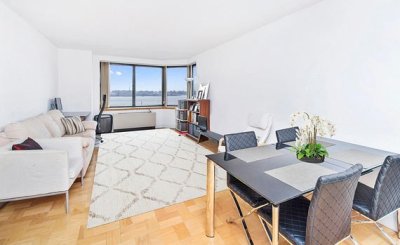
There was an investor in LA who had been wrestling with a tenant for several months.
It wasn't that the rent wasn't being paid. However, repair requests kept coming in, and eventually, the situation became complicated with eviction issues.
Later, he said this:
"I thought buying a house and just collecting rent would be easy, but that's not the case."
Understanding this statement is crucial before entering the LA investment property market.
Looking at the rental prices in LA for summer 2026, the overall average is around $2,500 to $2,600 per month.
A one-bedroom apartment is about $2,095, while a two-bedroom is around $2,845.
However, home prices are much higher.
Therefore, meeting the commonly referred to 1% Rule, which suggests that a $500,000 house should generate about $5,000 in monthly rent, is quite challenging in LA.
Ultimately, many investors in LA are looking at long-term property value appreciation rather than immediate cash flow from rent.
Here, financing is key.
Investment properties have stricter conditions than primary residences. A down payment typically needs to be around 15% to 25%, and interest rates are often higher than those for primary mortgages.
Rental income is also not fully recognized in loan assessments; generally, only about 75% of the expected rent is considered.
Buying a house doesn't mean the calculations are done.
For example, if you're collecting $3,000 in rent, you need to deduct property taxes, insurance, repair costs, vacancy periods, and management fees.
If you hire a management company, they might take 8% to 12% of the rent. If it's a condo, there are HOA fees to consider as well.
The remaining net operating income divided by the property value gives you the Cap Rate.
In simple terms, just looking at the expected rent listed on Zillow and thinking, "This house has a good return" is not enough.
In LA, tenant-related regulations are also very important.
Especially for older buildings, you need to check whether the Rent Stabilization Ordinance (RSO) applies.
In the case of the city of LA, generally, certain rental properties built before October 1, 1978, may be subject to RSO.
If a property falls under RSO, landlords cannot freely raise the rent. The allowable annual increase from July 2026 to June 2027 is 3%.
Even if a property is not under RSO, you need to consider whether the California Tenant Protection Act applies.
Not all properties are subject to the same rules, so thinking, "It's not RSO, so I can raise the rent freely" is a mistake.
If you're buying a property with existing tenants, you need to be even more cautious.
You should check the existing lease agreements, the amount of the security deposit, and the history of rent increases. If it's a condo, you also need to see if the HOA has rental restrictions.
Tenant screening is crucial.
You need to verify whether their income is stable and check their past rental history from the start.
If issues arise, landlords in LA cannot simply change the locks or evict tenants. They must go through legal eviction procedures.
The investor mentioned earlier said that when looking for the next property, he first checked the construction year and whether RSO applied before considering the expected rent.
Buying a rental property in LA is not a simple business of purchasing a house, placing a tenant, and collecting a check each month.
While knowing how much rent you can charge is important, you also need to calculate how much of that rent will actually remain and how to manage that tenant within the laws and regulations.
Investing in LA real estate is a market where understanding these factors may be more critical than calculating returns.
 MyHearts
 Professor






 |
| 
 Premium Gas Camp |
 CA Real Estate |
 cheesepup |
 breezem |
 Study Abroad Life Know-How Tips |
 coloradoman |
 Anjollinya Blog |

 Sunny's Travel in America |
  beerdreamer |
  Kims Spring |
  White bunny |
  Kansas City Representative Singer |
  shadow 007 |
  sun walker |
  Choco Choco Star |
  midnight blue |
  honeypot |
  summer |
  adventure77 |
  flexible |
  Shintongbangtong Shin Naerin James Park |
  truepixel |
  Kathy's Blog |
  Hae Naem |
  quatspace |
  Marisol |
  Glassroom |
  Granola |