
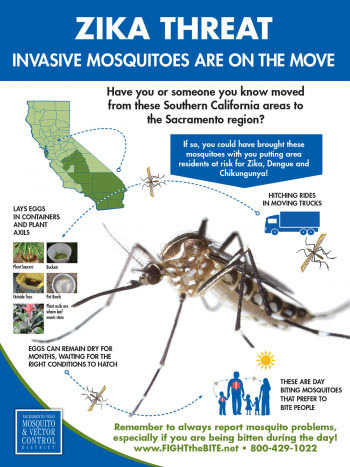
When preparing to move to Sacramento, many people often overlook the insects and allergy issues that can impact their health.
The first concern is mosquitoes. Sacramento has a high mosquito population during the summer and early fall. The Sacramento-Yolo Mosquito and Vector Control District is dedicated to managing mosquito control, indicating how seriously this issue is taken in the area.
Particularly concerning is the West Nile Virus. Cases of West Nile Virus infection are reported every year in the Sacramento area. If bitten by an infected mosquito, symptoms such as fever, headache, and muscle aches may occur, and it can lead to serious complications for the elderly or those with weakened immune systems. It is recommended to use mosquito repellent and wear long sleeves and pants during outdoor activities, especially in the evening and early morning when mosquito activity is high.
Ticks are another risk factor that can be easily overlooked in the Sacramento area. You may encounter deer ticks in places like the American River Parkway or suburban hiking trails with tall grass. Deer ticks are known to transmit Lyme disease. Early symptoms of Lyme disease include skin rashes, fever, and joint pain, and if treatment is delayed, it can progress to neurological complications. It is essential to check your entire body after hiking. If you are walking a dog on the trail, be sure to also take precautions against ticks for your pet.
Pollen allergies are also taken very seriously in Sacramento. The city has many tree-lined streets. During spring (February to May), tree pollen is prevalent, followed by grass pollen in the summer and weed pollen in the fall. The Sacramento Valley is also an agricultural area, which adds pollen from surrounding farmlands. If you frequently experience allergic rhinitis, itchy eyes, or coughing, it is advisable to consult an allergy specialist before moving. Sacramento has a long and intense allergy season, and newcomers may be surprised to find they develop allergies.
The air quality issue in Sacramento cannot be overlooked. The air quality significantly deteriorates during the summer to fall months due to a combination of wildfire smoke and vehicle emissions. Especially during the Northern California wildfire season, the sky can turn orange, and the AQI (Air Quality Index) can reach hazardous levels. On such days, it is best to avoid outdoor activities, keep windows closed, and use air purifiers. Those with asthma or chronic respiratory conditions should consider this before moving to Sacramento. You can check the air quality in the Sacramento area daily using the AirNow app.
Valley Fever, also known as coccidioidomycosis, is another disease to be cautious about in California's inland areas. Infection can occur when fungal spores that thrive in dry soil are inhaled by the wind. While the incidence is higher in the San Joaquin Valley than in Sacramento itself, Sacramento is still part of California's central inland climate zone. Most cases are mild and resemble the flu, but those with weakened immune systems can develop serious pneumonia, so if you experience unexplained fever and cough, inform your doctor about your residence and outdoor activity history.
In summary, the key points to remember for healthy living in Sacramento are as follows: bring mosquito repellent and wear long clothing for outdoor activities in the summer. Don't forget to check for ticks after hiking. Prepare allergy medications in advance during the pollen season from spring to fall, and keep windows closed as much as possible. Stay indoors and use air purifiers on days with heavy smoke from wildfires.
By following these guidelines, you can enjoy Sacramento's natural environment much more healthily.
 ButterCargo
 Kdaddy2







 Karina's Blog |
 Jimbeam 88 |
 Taco Bell Candy Note Blog |
 Splendid Mission |
 Florida Gario |
 Infinite Style |
 Living Economy Information Blog |
 Koreab Date |
 Only Dentalbay |
 US Home Buying Information Home Insurance |
  torvik |
  charger |
  holy cheese |
  Pleasant K |
  Rolling Joy Life |
  lidus |
  French Macarons |
  Central Intelligence Agency Deputy Director |
  ATL Power 1 |
  MP Forever |
  Soy Angelino |
  San Jose Pop |
  Pronunciation Yo |
  hamooo |
  Entip |
  Yavrix 92 |
  cherry cherry |
  Coastal city |
  There Are Such Things in the World |
  Mazinger Z Rocket Punch |