
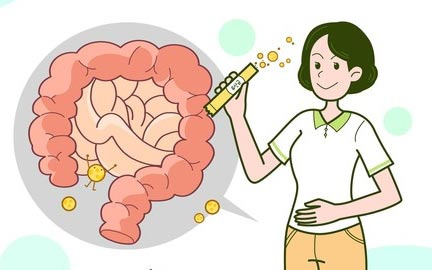
To activate beneficial gut bacteria, it is important to consume both probiotics (the beneficial bacteria themselves) and prebiotics (the food for beneficial bacteria).
Below are scientifically verified foods!
1. Unsweetened Plain Yogurt
Why is it good?
It is rich in beneficial bacteria such as live Lactobacillus and Bifidobacterium.Tip: Choose products labeled "contains live cultures." Yogurts high in sugar can actually increase harmful bacteria.
Recommendation: Consume 1 cup (150g) after breakfast or as a snack!
2. Kimchi
Why is it good?
The lactic acid bacteria produced during fermentation help gut health, and it is also rich in dietary fiber, serving as a prebiotic.Tip: Eat fresh kimchi to ensure the live cultures are intact. Be cautious with old kimchi as it can be high in salt!
Recommendation: Consistently eat about 1-2 tablespoons daily as a side dish.
3. Garlic
Why is it good?
It is a representative of prebiotics! Inulin serves as food for beneficial bacteria, promoting their growth.Tip: Chop fresh garlic and expose it to air for about 10 minutes before consuming to enhance its antioxidant effects!
Recommendation: Combine it with soybean paste stew or grilled meat, or marinate it in olive oil.
4. Whole Grains (Oats, Barley)
Why is it good?
Soluble dietary fiber serves as an energy source for beneficial bacteria in the intestines. It is also excellent for preventing constipation!Tip: Use brown rice or oat rice instead of white rice, or try oatmeal for breakfast.
Recommendation: Aim to consume at least 30g daily (about 1/2 cup).
5. Fermented Soybean Paste
Why is it good?
The fermentation bacteria in soybean paste improve the intestinal environment, and the protein-digesting enzymes aid digestion.Tip: Do not heat it, as beneficial bacteria will die; add the soybean paste at the end when making stew.
Recommendation: Easily consume a bowl of soybean paste soup daily!
Precautions
Choose fresh probiotic foods that are refrigerated.
Suddenly consuming a large amount may cause abdominal bloating, so gradually increase your intake.
Combining with aerobic exercise can enhance gut movement and double the effects!
In fact, it is known that about 90% of lactic acid bacteria die while passing through strong digestive enzymes like stomach acid or bile acids.
However, even dead lactic acid bacteria (non-viable) leave beneficial substances that contribute to the intestinal environment, and a small number of live bacteria can reach the intestines and multiply there.
To help lactic acid bacteria arrive "alive" in the intestines, it is recommended to consume them on an empty stomach.
When there is no food in the stomach, relatively less stomach acid is secreted, increasing the chances of live bacteria passing through safely.
Of course, it is fine not to be on an empty stomach, but it helps to consume them when stomach acid is not actively produced.
Healthy intestines are connected not only to digestion but also to immunity and mental health.How about starting to practice one of these from today?







 Tora Tora |
 neroyo |
 nivex85 |
 Old English |
 nixxon |
 squidogame |
 cloudyday |
 eatontown blog |
 Margarine Daebimama |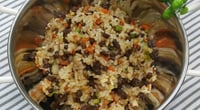
 Ishiyoung Forever 208 |
  Tonky |
  viroma |
  cookie |
  Live and that's it |
  Alright Twain |
  HAWAII Korean Church News |
  Amore |
  linex |
  Balancework |
  laro90 |
  MEDBIO American Doctor Blog |
  SWAT TEAM BLK |
  DREAM BIG |
  frostbite |
  330 Forever My Love |
  El Dorado |
  dralix58 |
  Gorama Round |
  Skydiving |