
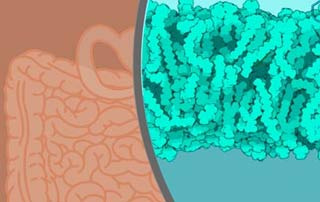
Did you know that the composition of microorganisms in our body is as important as our genes?
Most of these microorganisms reside in the gut (mainly the small and large intestines), playing a significant role in our health, immunity, and infection prevention.
When we think of healthy foods, we often consider various forms such as breast milk, organic foods, preservative-free, antibiotic-free, fermented foods, fresh produce, slow food, anti-inflammatory foods, vegetarian, and raw foods. One reason these foods or dietary habits are directly beneficial to our bodies is that they positively change the composition of gut microorganisms, ultimately helping to increase beneficial bacteria.
Since these microorganisms are crucial for our immune and digestive health, paying attention to them in our diet can greatly enhance our well-being. Let's take a look at some key foods.
Fermented Foods
Fermented foods like yogurt, kimchi, cheonggukjang, and doenjang are representative foods that directly supply beneficial bacteria. Thanks to the various probiotics and beneficial bacteria produced during fermentation, we can maintain a healthy gut environment.Fruits and Vegetables Rich in Dietary Fiber
Vegetables and fruits rich in dietary fiber, such as broccoli, cabbage, asparagus, bananas, and apples, provide good food for beneficial bacteria. The dietary fiber, which is hard for our bodies to digest, is broken down by beneficial bacteria to serve as an energy source, ultimately aiding in their proliferation.Whole Grains
Whole grains like brown rice, oats, barley, and whole wheat are rich in dietary fiber and minerals, playing a significant role in improving the gut environment. They may digest a bit slower than white rice or flour, but this actually helps provide sufficient fiber needed by beneficial bacteria.Legumes and Nuts
Legumes such as beans, lentils, and chickpeas, along with nuts like almonds, walnuts, and sunflower seeds, contain a balanced mix of plant-based proteins and dietary fiber. These nutrients create a favorable environment for the proliferation of beneficial gut bacteria while also increasing satiety, which helps with dietary control.Foods Rich in Oligosaccharides
Oligosaccharides (prebiotic components) found abundantly in onions, garlic, and chicory roots are essential nutrients for beneficial bacteria. By ensuring the intake of both probiotics and oligosaccharides, we create a much more favorable environment for gut bacteria to thrive.
If you incorporate these five food groups into your regular diet, you will maintain an environment conducive to the activity of beneficial bacteria. Instead of making drastic changes, try to use familiar ingredients a little more often to easily take care of your gut health. Start adding fermented foods and fiber-rich ingredients to your meals from today. This way, you can create a healthier gut environment.








 neroyo |
 nivex85 |
 Old English |
 nixxon |
 LIZ Legal Information Blog |
 newyorker 101 |
 Things to Do to Buy a House |
 Lunch and Dinner Mexican Taco |
 International Court |
 French fries |
  meloncat |
  novapixel |
  mortrix |
  Esther 1983 |
  fortbliss |
  Moscow Kim |
  My Two Way |
  toastyfox |
  FLORIDA Acus |
  tracker |
  TONTON COFFEE |
  sunrise |
  ultron78 |
  uplifted |
  Folding Instructions |
  same same life |
  USA Hyundai Kia |
  morvex37 |
  BOL SA RAM |
  TOUCHE NEWS |