


Let's talk about the Korean community in Long Beach. To be honest, my first impression was, "Are there really not many Koreans here?"
It's not like the atmosphere in LA's Koreatown or Irvine, where you see Korean signs everywhere. But once you live here, the story changes.
It's estimated that there are about 5,000 to 8,000 Koreans living in Long Beach. While that number may not seem large, it doesn't create significant inconveniences in daily life. In fact, many people find it a quiet place to settle down without too much hustle and bustle.
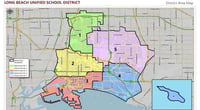
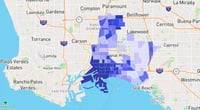
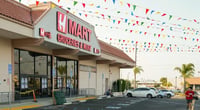
Koreans tend to live in the eastern and northern parts of Long Beach, near Signal Hill, and close to Lakewood. The living area extends to Torrance, Gardena, Cerritos, and Lakewood, so they don't limit themselves to just Long Beach. Within a 20-30 minute drive, you can access H Mart, Korean markets, Korean restaurants, bakeries, and hospitals.
So living in Long Beach doesn't mean you can't eat Korean food or find places to speak Korean. I see many people who shop at Korean markets, have lunch in Long Beach, and meet friends in Torrance or Gardena on weekends. Living in Southern California makes you realize that the living area is more important than city borders.
One characteristic of the Korean community in Long Beach is that many have settled here for a long time. There are not only first-generation families but also 1.5 and second-generation families. Many are self-employed, and there are also many working in healthcare, accounting, real estate, and logistics. Especially since the Port of Long Beach is nearby, there are quite a few Koreans involved in logistics and trade-related jobs.
The community is mostly centered around churches. Those who have lived in the U.S. for a long time can relate, but when you first immigrate, churches are often the quickest places to meet people. Regardless of religion, you can gain life information, make friends for your kids, and naturally build connections while helping each other.
Of course, most large Korean events or festivals are held in LA's Koreatown or Gardena. So when important events occur, everyone tends to head that way. However, smaller communities like alumni gatherings, golf clubs, and social clubs continue to thrive within Long Beach.
The one advantage I see in Long Beach is that it's not too complicated. It's not a place where only Koreans live, but it's also not completely detached from Korean culture. You can live your American life while still having access to the Korean community when needed, which creates a perfect balance.
So, living in a quiet beach town, if you crave Korean food, you can quickly go to a Korean market, and if you need help in Korean, there are places to turn to. I believe that's the biggest charm of the Korean community in Long Beach.
 ThePunisher
 joyfulroadtraveler2000
 GoldenTree




 moo moo |
 ultron78 |
 garlic bread |
 Sugar Cream Door Bulletproof Noodles |
 urbanmint |
 Top Beaches |
 Sammy Beach |
 Korean Blog |
 Key spots |
  bayaa |
  loveyom |
  Coastal city |
  Spaghetti Flying Religion |
  My Town My Way Blog |
  holy cow |
  endone |
  starline |
  Where is a really nice neighborhood? |
  Real Estate |
  Forest Gump |
  Real Estate Investment Korean American |
  Dollydori, Lover of Movies |
  dmzline |
  travelo |
  American Food Information & Calories |
  Splendid Mission |
  sparklingo |
  Watch Walker |
  Soy Angelino |