
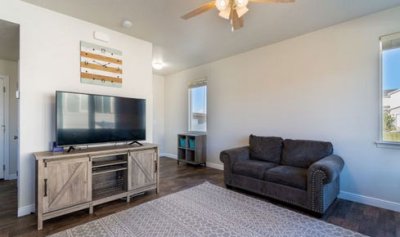
Property taxes and HOA fees. Surprisingly, many people confuse these two. Simply put, property tax is the tax paid to the local government for owning a home, while HOA fees are paid to manage the building or common areas with neighbors living in the same community. If you're looking for a home in Hilo on the Big Island of Hawaii, the first step is to understand how much you will need to pay for each.
Recent data for the Hilo area shows that the median price for single-family homes is $571,000, condos are $170,000, and townhomes are around $425,000. If these terms are unfamiliar, think of it this way: a single-family home means you own the land and the building entirely, a condo means you own just one unit within a building that is managed by a homeowners association, and a townhome is somewhere in between, often sharing walls with neighbors but usually having some land of your own. It's also worth noting that single-family homes make up 77.95% of the total housing stock in Hilo, which is quite significant.
So how do HOA fees differ? In simple terms, the broader the management scope, the higher the fees tend to be. For single-family homes, since you only manage your own house, there may be no HOA or the fees might only range from $200 to $300 per month. Townhomes typically have fees ranging from $200 to $400 per month because the homeowners association manages the exterior, roof, and common landscaping. Condos, on the other hand, can see fees rise to $400 to over $700 per month since the association is responsible for the entire building structure, elevators, and common facilities.
Hilo is unique because it is considered one of the areas in Hawaii with relatively lower home prices, yet there is a significant price difference between property types. The price gap between condos and single-family homes exceeds $400,000, which could make condos an attractive entry point for first-time homebuyers who may lack initial funds. However, it's important to note that condos in Hawaii can be leasehold, meaning you pay rent for the land while owning just the building, so it's crucial to check whether the contract is freehold or leasehold.
Nationally, the trend is that the proportion of new townhome supplies is increasing, but this trend is not yet evident in Hilo. This may be due to the limited flat land available for large townhome developments, given the volcanic and rainforest terrain of the Big Island. For investors considering rental income, condos are often utilized for short-term rentals due to tourist demand, but leasehold contracts can impact rental income calculations.
Returning to the topic of property taxes, Hawaii is considered one of the states with the lowest property tax rates in the nation. However, rates can vary significantly by county and whether the property is owner-occupied or an investment, so it's wise to check the actual tax rate for the specific address before purchasing. Families moving to Hilo from other states should also consider that while property taxes may be lower, the cost of living or insurance premiums may be higher than in other areas.
If you are a family just immigrating from Korea and preparing to settle down, it's advisable to check not only the low property tax but also the HOA fees and leasehold status before making a hasty decision. From my long-term observation of this market, those who carefully consider the total cost of ownership tend to have fewer regrets.
If you have children, you should also look into the school district. Hilo's school district assignments are based on the entire state of Hawaii, which may differ from other states. In simple terms, it's safer to verify the assigned school using state education department resources or indicators like GreatSchools rather than guessing based on the address alone.
This article is not investment or legal advice, and it is recommended to consult with a local real estate expert before making any actual contracts.
 DogCookThief
 MoonWalker






 |
| 
 Premium Gas Camp |
 CA Real Estate |
 cheesepup |
 breezem |
 Hilo Cat |


 Sammy Beach |
  Bliss O |
  blue ocean |
  greenlight |
  Watanaka Karametibaksa |
  castle |
  xelton52 |
  carefree |
  vrixen73 |
  AZ Road Master |
  Victory 1988 |
  summita |
  business lim |
  Colorado Lee |
  Make My Day |
  Fros Pro |
  lioness |
  La Bean |
  American History This and That |
  Monte Sori |