
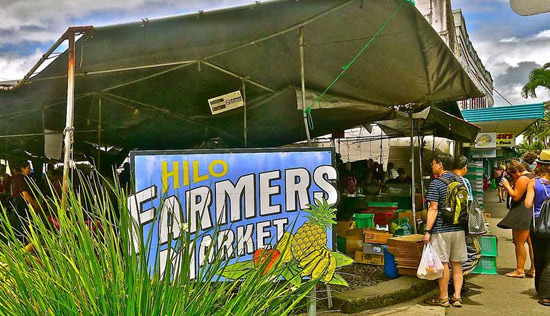
When shopping in Hilo, I sometimes wonder: will prices rise just because more tourists come here?
The answer is closer to 'they're already quite expensive, and tourism helps maintain that structure.'
The cost of living index in Hawaii is 193, nearly double the national average. Grocery prices are 30-50% higher than on the mainland.
A gallon of milk costs $7-8, and a dozen eggs is over $6.
Hilo is known to have a lower level of tourism compared to Maui and Kona, which means grocery prices are relatively lower.
In fact, grocery prices in Hilo are often cheaper than in Kona. Still, they are already expensive.
As the number of tourists increases, there tends to be a rise in pricing policies at restaurants, cafes, and shops.
Businesses that cater to tourists set their prices based on tourist demand, and when this spreads throughout the area, local prices are affected as well.
Restaurants in downtown Hilo are not yet at the price level of mainland tourist spots, but there is a noticeable upward trend during peak season.
The 4.3% increase in the food index in the 2025 Consumer Price Index is not unrelated to this trend.
Rising rents also indirectly affect prices. When commercial rents go up, operating costs for businesses increase, and those costs are passed on to product prices.
The median rent in Hawaii County is $1,510 per month, but commercial rents are often much higher.
Ultimately, as tourism increases, there is pressure on the prices that locals face in their daily lives.
Fortunately, Hilo is the center of agriculture on the Big Island, providing opportunities to source local produce.
By actively utilizing farmers' markets, you can find fresh ingredients at prices lower than those in grocery stores.
As long as this local production network remains intact, Hilo's prices seem to be somewhat protected, even with the increase in tourism.
 StarTalker








 novapixel |
 UNI Lover |
 NE Hodori Preik |
 parlon |
 Ohio Ohayoung Hello |
  Hilo Cat |

 Puddle Puddle |
 Hawaii Maui Kahului |
  Idaho's Sumi's House |
  Mr. Midwest America |
  wildfire |
  legalway |
  postcard |
  cheesecake07 |
  My Miami Stories |
  windylotus |
  Mia Flori |
  velaro29 |
  velaro |
  foxtrot83 |
  moname |
  mapleline |
  US Legal Consultation on Trials |
  Karina's Blog |
  California Dreamer |
  Choco Mint Creator |